
AFRICAN POMPANO FISHING FLORIDA KEYS: WHEN TO GO + WHAT TO BOOK
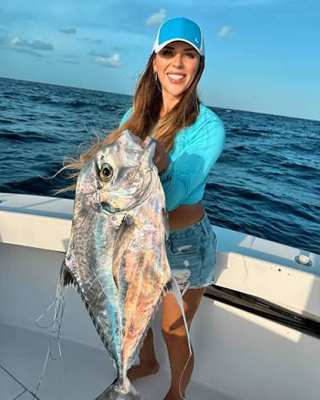
African Pompano Fishing Florida Keys: When to Go + What to Book
If you want a strong reef, wreck, or Far Gulf target that feels a little more special than a standard bottom fishing day, African pompano fishing Florida Keys is worth asking about. African pompano are powerful, good-looking fish that often relate to structure, depth, current, and clean water. They are not usually the first species casual visitors name, but they can be one of the most memorable fish of the trip when conditions line up.
This guide is written for charter guests planning a Florida Keys fishing trip from Marathon or Key West. It explains when African pompano may be part of the plan, what type of charter works best, how long to book, and how to think about this species without turning the whole day into a one-fish gamble.
Quick Answer: African Pompano Fishing in the Florida Keys
- Best planning windows: Winter and late spring are strong times to ask, especially January, February, and May based on the Two Conchs Fishing Calendar.
- Best trip length: 6 hours for a flexible reef, wreck, or structure day; 8 hours or more for Far Gulf-style opportunities when available.
- Trip style: Reef, wreck, bottom fishing, structure fishing, and mixed-species charter days.
- Best departure: Marathon is a natural fit for reef, wreck, and Far Gulf planning, while Key West can also work depending on your stay and conditions.
- What matters most: Current, weather windows, water clarity, depth, bait, structure, and captain judgment.
Planning your trip around a specific species or month? Use the Two Conchs Florida Keys Fishing Calendar to compare what may be biting during your travel dates, including African pompano, grouper, snapper, cobia, permit, sailfish, wahoo, and other seasonal Keys favorites.
Why African Pompano Belong in a Florida Keys Species Plan
African pompano fit the Florida Keys because they match the kind of structure-rich fishing the area is known for. They are often associated with reefs, wrecks, ledges, and deeper structure, which makes them a natural part of reef, wreck, bottom, and Far Gulf conversations.
For visitors, African pompano can be especially appealing because they feel like a quality target. They are strong fighters, beautiful fish, and less commonly discussed than snapper, grouper, mahi, or tarpon. That gives the trip a little more “we caught something different” value, especially for anglers who have already done more common charter trips.
Watch Two Conchs’ African pompano fishing video to see how the crew targets this hard-fighting Florida Keys species.
At the same time, African pompano should usually be approached with flexibility. They can be part of a strong charter plan, but they are not always the only species to chase. A day that includes African pompano potential may also include grouper, snapper, cobia, permit, amberjack, kingfish, or other structure-oriented fish depending on the month and conditions.
When Is African Pompano Fishing Best in the Florida Keys?
The Two Conchs Fishing Calendar gives African pompano their clearest mentions in the cooler-season and late-spring windows. January lists African Pompano among the prime species and notes Gulf wrecks loaded with Cobia, African Pompano, and Grouper. February notes Far Gulf trips continuing to produce African Pompano, and May highlights Far Gulf fishing for Permit, Goliath Grouper, Red Grouper, and African Pompano.
That makes January, February, and May strong planning months to ask about African pompano, especially if you are open to a structure, wreck, or Far Gulf-style plan. Those months do not guarantee the fish. They simply give you a smarter reason to bring them up when choosing your trip.
The most important point is that African pompano fishing depends on more than a calendar. Weather, sea conditions, current, water clarity, and the ability to reach the right areas all matter. A captain may recommend staying flexible if conditions make another species or zone a better choice for your group.
What Type of Charter Works Best for African Pompano?
African pompano are usually a better fit for reef, wreck, ledge, bottom, and structure-oriented trips than for a simple nearshore sightseeing-style day. They can also fit into longer trips that give the crew more room to reach less-pressured areas when the weather allows.
If your group wants the best balance of opportunity and comfort, a 6-hour charter is often a good starting point. That gives the captain enough time to work reef or wreck options while still keeping the day manageable. If African pompano are a major priority, or if Far Gulf-style fishing is part of the conversation, an 8-hour or longer trip may make more sense.
This is not usually a species where visitors should book the shortest trip and expect the captain to force the target. The better plan is to tell the crew African pompano are high on your list, then allow them to build a day that matches the conditions.
Marathon vs Key West for African Pompano Charters
Marathon fishing charters are a natural fit for guests staying in the Middle Keys, Isla Bella, Key Colony Beach, Duck Key, or nearby areas. Marathon is also a strong base for reef, wreck, Gulf, and Far Gulf planning, which makes it especially relevant for African pompano conversations.
Key West fishing charters can also make sense if you are staying on the island and want the easiest departure for your group. The right choice is usually less about which location sounds better and more about where you are staying, how much time you want on the water, and what conditions allow that day.
African Pompano Regulations and Keeping Fish
African pompano regulations are specific, so always confirm current rules before your trip and follow your captain’s guidance. FWC currently lists African pompano with a 24-inch fork length minimum, a daily bag limit of 2 per harvester, a vessel limit of no more than 2 per vessel, and an open year-round season. Allowable gear differs by waters, with hook and line only in state waters and hook and line or spearing in federal waters.
Helpful sources include the FWC Permit, Florida Pompano, and African Pompano regulations page, the FWC African Pompano species profile, and the Fish Rules app. Regulations can change, so use official sources instead of relying on old screenshots or outdated articles.
Local Captain Insight for African Pompano Fishing in the Florida Keys
African pompano fishing is one of those Florida Keys opportunities where local judgment matters. Captain Jack and the Two Conchs team look at the season, weather windows, current, water clarity, bait, depth, structure, and whether the day supports a focused wreck, reef, bottom, or Far Gulf plan. Some days may create a strong African pompano opportunity, while other days may be better as a mixed-species charter around grouper, snapper, cobia, permit, kingfish, or other structure-oriented fish.
That is why the best African pompano trip is not about chasing one fish no matter what. It is about choosing the right departure point, trip length, and fishing style for the conditions in front of you. If African pompano are a priority, tell the crew when you book so they can help you decide whether Marathon or Key West makes the most sense for your stay.
Book Your African Pompano Charter with Two Conchs
When you are ready to plan, start with your travel dates, where you are staying, and how flexible your group wants the day to be. You can review the Two Conchs FAQs before booking or contact Two Conchs for help choosing the right trip. If you are planning around African pompano fishing Florida Keys, let the crew know early so they can match your goals with the best available charter plan.
Frequently Asked Questions
FAQ
What is an African pompano?
African pompano is a strong, structure-oriented saltwater fish found around reefs, wrecks, ledges, and deeper water. In the Florida Keys, it can be part of reef, wreck, bottom, and Far Gulf-style charter plans.
When is African pompano fishing best in the Florida Keys?
January, February, and May are strong months to ask about African pompano based on the Two Conchs Fishing Calendar. Conditions still matter, so the best plan depends on weather, current, water clarity, and where the fish are showing during your trip dates.
Is African pompano a good fish for a charter?
Yes. African pompano can be a great charter fish because it is strong, distinctive, and often connected to productive reef, wreck, ledge, and structure fishing. It is usually best approached as part of a flexible mixed-species plan.
How long should I book for African pompano fishing?
A 6-hour trip is a good starting point for most visitors. If African pompano are a major priority, or if Far Gulf-style fishing is part of the plan, an 8-hour or longer trip may give the captain more room to work.
Is Marathon or Key West better for African pompano?
Marathon is a strong fit for reef, wreck, Gulf, and Far Gulf planning, while Key West can also work depending on where you are staying and what conditions allow. The best departure point is usually the one that fits your location, schedule, and charter goals.
Can we keep African pompano?
Often, yes, when the fish meet current regulations and the trip stays within legal limits. Always confirm the current rules before your trip and follow your captain’s guidance on what can be kept.
What kind of fishing trip targets African pompano?
African pompano are usually part of reef, wreck, ledge, bottom, structure, or Far Gulf-style fishing. They may also show up as part of a mixed-species charter with grouper, snapper, cobia, permit, kingfish, amberjack, or other structure-oriented fish.
Should I book an African pompano-only charter?
You can tell the crew African pompano are a priority, but the best plan should stay flexible. Some days may support a stronger African pompano approach, while other days may be better as a mixed reef, wreck, bottom, or Far Gulf charter.
Official Planning Sources
- Two Conchs Florida Keys Fishing Calendar
- NWS Florida Keys Marine Forecast
- FWC Permit, Florida Pompano, and African Pompano Regulations
- FWC African Pompano Species Profile
- Fish Rules App