
CHARTER FISHING MARATHON FLORIDA: BEST TRIPS, SEASONS, AND TIPS
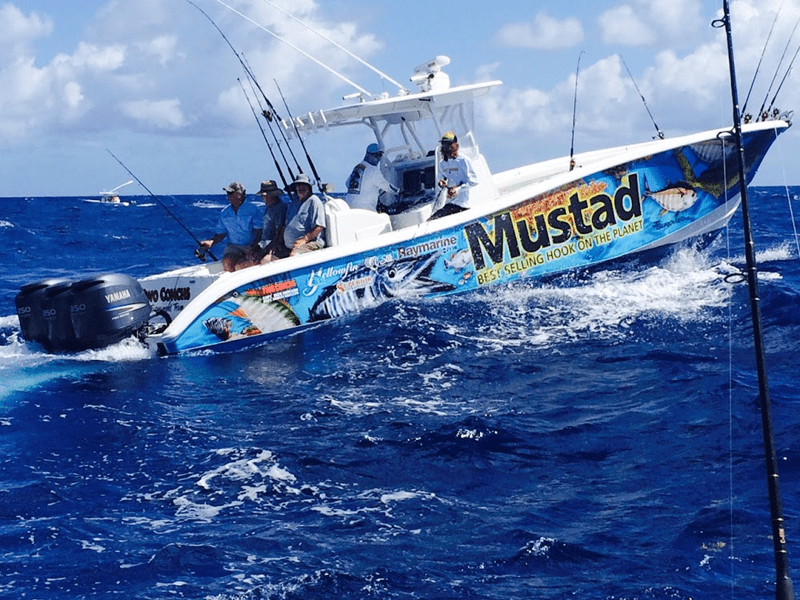
Charter Fishing Marathon Florida: Best Trips, Seasons, and Tips
Imagine this: You roll out of bed in Marathon, grab coffee, and walk to the marina. Five minutes later—not thirty, not forty-five, but literally five minutes—you’re clearing the channel and heading toward open water.
Charter fishing Marathon Florida style means fishing smarter, not harder. While boats from other locations burn fuel and waste fishing time running to grounds, you’re already there, lines in the water, waiting for that first strike. Marathon sits perfectly centered in the Middle Keys at mile marker 48-54, giving you equal access to everything the Florida Keys offer without the compromises.
The numbers tell the story: Two Conchs Marina at 11499 Overseas Highway operates thirteen boats in Marathon—the largest fleet because this is where the action concentrates. Seven Mile Bridge tarpon within five minutes. Offshore mahi grounds within fifteen. Backcountry flats extending for miles. Reef systems in every direction. Marathon doesn’t just offer Florida Keys charter fishing—it perfects it.
Ready to discover why Marathon fishing charters consistently outperform other Keys locations? This guide reveals everything you need to know about charter fishing in Marathon Florida, from choosing the right boat to understanding why that central location changes everything.
The Five-Minute Rule: Here’s what most anglers don’t realize until they’ve wasted a season fishing from the wrong location: Travel time kills your fishing day. A four-hour charter from Key West might include ninety minutes of running—leaving just two-and-a-half hours of actual fishing. That same four hours from Marathon? You’re fishing within five to ten minutes, giving you three-and-a-half-plus hours with lines in the water.
Cold front blowing out the Atlantic side? Marathon captains shrug and head to calm Gulf waters. South winds making Gulf fishing uncomfortable? No problem—flip to Atlantic reefs. This weather flexibility exists nowhere else in the Keys because Marathon sits perfectly positioned to access both sides within minutes.
Here’s a frustration you’ve probably experienced: You find the perfect charter captain online, call to book your vacation dates, and… they’re booked solid. Now you’re scrambling through second and third choices, settling for whatever’s available instead of what you actually wanted.
Marathon’s Two Conchs fleet operates thirteen boats. Thirteen. When your first-choice captain fills up, there’s another excellent captain available on a comparable boat. Memorial Day weekend fully booked on the big offshore boats? Try the specialized flats skiffs. Christmas week slammed? Options still exist because the fleet size provides flexibility impossible with single-boat operations.
The variety matters too. Small groups get efficient center consoles. Large families need bigger boats with amenities. Serious anglers want tournament-rigged sportfishers. The Two Conchs Marathon Charter Fishing fleet matches boats to missions instead of forcing everyone into one-size-fits-all solutions.
Marathon Florida is one of the most efficient places to book a Florida Keys fishing charter because you can often get to productive water quickly and adjust the plan based on conditions. For most guests, a 3/4-day charter is the best balance. Choose a half-day for families/first-timers and a full-day if you want maximum variety or longer offshore range.
Still comparing the Keys? Read our complete Florida Keys Fishing Charter Guide.
Where you can fish from Marathon
Marathon fishing is year-round, but targets and tactics change with season and conditions.
Common plans include:
• Bridge/channel windows (seasonal) when tides and bait concentrate fish
• Nearshore/backcountry options when conditions call for a calmer plan
• Offshore opportunities on longer trips when weather and seas allow
• Reef and wreck fishing for consistent action and popular table fare
Bridge Fishing: Marathon’s Unique Advantage
Seven Mile Bridge. Long Key Bridge. Bahia Honda Bridge. Three of the Florida Keys’ most famous tarpon bridges—each a short run from Two Conchs Marina. That close spacing matters because bridge fishing is all about timing: tide, current, light, and bait movement. When conditions shift, you can adjust quickly and fish the bridge that’s setting up best instead of burning your whole evening on a long run.
And it’s not “tarpon or bust.” Bridges concentrate life. Snook set up around pilings. Snapper stack in the flow. Grouper hold to structure. Sharks and jacks patrol the edges. So even when offshore weather isn’t ideal—or you’d rather fish after a full beach day—bridge trips can still deliver steady action close to home.
Bridge tarpon fishing also works differently than flats or offshore. Fish stage in predictable lanes where tidal flow funnels bait through bridge channels. When everything lines up, you’ll see rolling fish and explosive strikes right in the current seams. That’s what makes a short evening session feel like a true Keys experience—without committing an entire day.
Best part for vacation schedules: you keep your day. Enjoy the beach and activities, then meet at the marina for a sunset run and an evening bite. It’s one of the easiest ways to add “iconic Florida Keys fishing” to your trip—especially for families and first-timers.
Marathon Backcountry
Everyone knows Key West’s Marquesas and praises Islamorada’s flats, but Marathon’s backcountry flies under the radar despite covering more acres than most anglers realize.
August bonefish peak in Marathon’s backcountry when water temperatures maximize their activity. Resident tarpon hold year-round in certain areas, supplemented by massive migration fish in spring. Permit cruise these flats with May spawning creating unique shallow-water opportunities. Yet somehow, Marathon backcountry sees a fraction of the pressure compared to heavily-fished Upper Keys flats.
Smart anglers recognize this advantage. While crowds pile onto famous flats in Islamorada, Marathon’s fishing charters explore productive waters with minimal competition. It’s like discovering a secret spot that’s been hiding in plain sight.
Marathon’s backcountry fishing area exceeds what most anglers expect from the Middle Keys. The extensive flats and mangrove systems stretching north toward Everglades National Park provide acres of sight-fishing habitat that rivals anywhere in the Florida Keys.
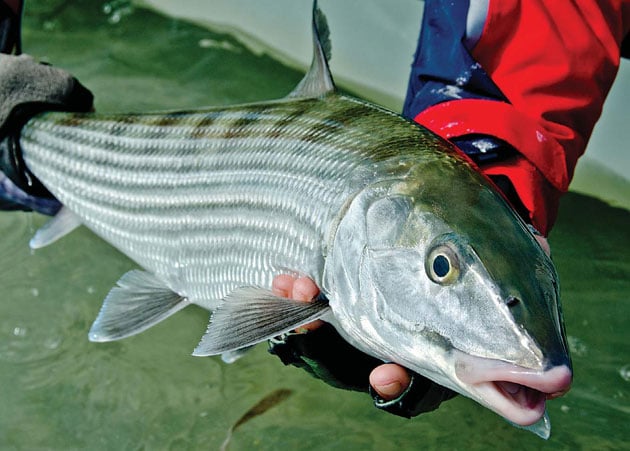 Bonefish—the legendary “grey ghosts” that test tackle and angler skill equally—peak in Marathon’s backcountry during late summer and fall. These fish average four to eight pounds with occasional specimens reaching double digits. Spotting them in shallow water, making accurate casts ahead of cruising fish, feeling that blistering first run when they’re hooked—it’s sight-fishing at its finest, and Marathon’s backcountry provides the stage.
Permit cruise these same flats year-round, though they’re notoriously selective about when and what they’ll eat. May spawning periods create unique shallow-water opportunities when these powerful fish concentrate in accessible locations. The rest of the year they’re scattered across miles of flats, testing angler patience and skill. Landing a permit represents a significant achievement—many experienced anglers fish years before catching their first. Marathon’s extensive flats increase your odds through sheer acreage compared to more limited fisheries.
Resident tarpon hold in certain backcountry areas throughout the year, supplemented by massive migration fish from April through June. While the bridges get most tarpon attention, backcountry fishing offers something the bridges can’t—visual excitement. Watching a six-foot tarpon cruise across a shallow flat in crystal-clear water, making your cast, watching the fish react, feeling the strike, seeing that first gill-rattling jump… it’s fishing that stays with you forever.
The backcountry also provides crucial weather alternatives that save fishing trips other locations would cancel. When offshore conditions blow out—common during winter cold fronts or summer afternoon thunderstorms—backcountry waters stay calm and fishable. Redfish stack in channels. Snook ambush from mangrove edges when seasons allow. Sea trout patrol grass flats. Various shark species cruise shallows. Action continues regardless of what’s happening in open water.
Flats boats used for backcountry fishing differ dramatically from offshore vessels. Shallow-draft hulls navigate water barely deep enough to float them. Elevated poling platforms give captains height advantages for spotting fish. Electric trolling motors provide whisper-quiet approaches that don’t spook wary species. These specialized boats exist specifically for sight-fishing, and Marathon’s Two Conchs fleet includes multiple flats skiffs operated by guides who’ve spent decades mastering this challenging style of fishing.
Offshore and Deep Sea: Marathon’s Efficiency Advantage
Marathon offshore fishing benefits dramatically from that central positioning everyone talks about but few truly appreciate until they’ve experienced it. Launch from Two Conchs Marina and you’re equidistant from Upper Keys grounds near Key Largo and Lower Keys waters near Key West. Your captain adjusts to where fish are biting rather than being locked into one area’s conditions regardless of what’s actually producing.
The legendary Marathon offshore humps sit thirty to forty miles from the marina. These underwater mountains hold wahoo, tuna, and billfish with significantly less pressure than heavily-fished grounds near major population centers. Sailfish concentrate along the reef edge just minutes offshore during winter months—close enough that half-day trips regularly produce multiple releases while Key West boats are still running to the grounds.
Mahi-mahi schools often appear within ten to fifteen miles during peak season. Think about what that proximity means: A half-day charter from Marathon can reach mahi grounds, catch limits, and return with time to spare. That same timeframe from Key West barely gets you there and back. The fishing time difference between Marathon and other locations isn’t marginal—it’s game-changing.
Marathon captains pioneered daytime swordfish techniques now used worldwide. The continental shelf drops to swordfishing depths within range, and the expertise developed through thousands of deep-drop trips means Marathon swordfish charters consistently outperform operations from other locations trying to replicate these techniques. When you’re dropping baits to eighteen hundred feet, local knowledge accumulated over years makes the difference between hoping and producing.
 Blue marlin possibilities exist during summer months. Blackfin tuna schools form around offshore humps in winter. Wahoo cruise deep edges year-round with peak concentrations during winter. Kingfish patrol reef systems. The variety means offshore trips rarely focus on a single species—you’re fishing for whatever’s biting best, maximizing action instead of tunnel-visioning on one target.
The 13-boat Two Conchs fleet includes everything from efficient thirty-foot center consoles perfect for quick mahi runs to large sportfishing yachts equipped for serious blue-water adventures. Tournament-rigged boats with fighting chairs and outriggers. Boats with air-conditioned cabins for comfortable summer trips. The variety means you match vessel capabilities to your specific offshore goals rather than settling for whatever’s available.
Reef and Wreck Fishing: Consistent Action Close to Shore
Marathon reef fishing combines productivity with ridiculous accessibility. Prolific patch reefs sit in thirty to eighty feet of water just minutes from the marina. Yellowtail snapper schools stack up by the hundreds over these structures. Drop a baited hook into a chum slick and you’re catching fish within seconds—the kind of non-stop action that keeps kids engaged and beginners excited.
Mutton snapper, grouper when seasons allow, mangrove snapper, and various other species provide diversity beyond just yellowtails. Cobia cruise reef edges during spring migration. Permit visit deeper reef structures year-round. Barracuda patrol the shallows. Amberjack hold on deeper wrecks. The variety means reef trips rarely become monotonous—different species, different techniques, constant variety.
The wreck fishing around Marathon stands out for one simple reason: Less pressure. Everyone knows about the famous Upper Keys wrecks. Divers and anglers from Miami pound them relentlessly. Marathon’s artificial reefs, sunken vessels, and natural rocky structure hold equally productive fish populations with a fraction of the traffic. Your captain knows which wrecks produce which species during different seasons, cycling through spots to keep action consistent regardless of what specific structure you’re fishing.
Marathon’s central location provides weather advantages for reef fishing that become obvious the first time a cold front blows through. North winds make Atlantic-side reefs uncomfortable? Head to calmer Gulf-side patches where the island chain provides protection. South winds creating chop? Fish Atlantic reefs that stay protected.
Half-day reef trips work perfectly for families with young children or groups wanting to sample Keys fishing without committing entire days. Four hours provides plenty of time to catch fish, take photos, and return before kids melt down or adults exhaust themselves. The quick marina proximity means you’re fishing within ten minutes of departure, maximizing that limited timeframe instead of wasting it on long runs.
Multi-Day Packages and Specialty Trips
Marathon’s diversity enables multi-day packages other locations can’t match. Combine morning bridge tarpon sessions with afternoon offshore mahi trips—possible because both fisheries sit minutes from the marina rather than requiring all-day commitments. Fish permit on shallow flats at dawn when they’re most active, then target reef species for dinner during midday heat. The central position and variety of fisheries create itineraries maximizing different experiences without wasting time traveling.
Serious anglers booking week-long trips benefit from Marathon’s options. Fish offshore when weather cooperates. Target flats when calm conditions favor sight-fishing. Hit the bridges during evening sessions. Focus on reef species when you want consistent action. This flexibility prevents weather from ruining entire trips—there’s always something fishable in Marathon regardless of conditions.
Pulley Ridge deep-drop fishing for tilefish and other exotic species sits within range of Marathon, though it requires significant offshore runs and specialized equipment. Tournament preparation trips access the same grounds and techniques captains use during major competitions like the Marathon Premier Sailfish Tournament and Tarponian. Photography-focused charters can target multiple species and environments in single days—tarpon jumps at bridges, sight-fishing flats for permit and bonefish, offshore action with mahi and sailfish.
The 13-boat Two Conchs fleet means specialty requests get matched with appropriate vessels rather than forcing square pegs into round holes. Want a serious offshore trip targeting billfish? There’s a boat equipped specifically for that mission. Prefer an intimate flats experience for two anglers? The fleet includes skiffs perfect for that style. Large family group needing space and amenities? Bigger boats with facilities handle those requirements. This matching of vessel to mission improves experiences dramatically compared to one-size-fits-all approaches.
What Your Marathon Charter Delivers (Beyond Just Fishing)
Marathon charter fishing operates on a simple principle: You’re here to catch fish and make memories, not worry about logistics. Your captain provides all fishing gear—and we’re talking quality stuff, not bargain-bin tackle that breaks on the first good fish. Tournament-grade rods and reels, fresh line, leaders sized for target species. The kind of equipment that costs thousands to assemble yourself, all included in your charter price.
Live bait comes ready when you board. Many Marathon captains catch bait that morning specifically for your trip, ensuring the freshest, liveliest offerings fish can’t resist. Frozen baits get selected for quality, not price. Chum gets mixed to the right consistency. Your job? Grab a rod when the captain says fish are ready.
Florida fishing licenses cover everyone on board through the captain’s commercial license. Ice keeps your catch fresh. Coolers hold drinks and snacks you bring. At trip’s end, captains fillet and bag your fish, transforming them from swimming creatures into dinner-ready portions. Many anglers take their catch directly to local restaurants—Marathon has several that’ll cook your fish for a small fee, creating the ultimate fresh-from-ocean-to-table experience.
What to Bring and What to Expect
What to bring for a Marathon Charter (quick checklist)
Most charters provide rods, reels, bait, and tackle. Bring:
• Reef-safe sunscreen, hat, polarized sunglasses
• Light long-sleeve sun protection / layers
• Snacks + preferred drinks (ask your captain about coolers/beer rules)
• Motion sickness meds (if needed), taken early
• Waterproof phone case + cash/way to tip
Marathon’s subtropical sun reflects off water and intensifies quickly. Bring high-SPF reef-safe sunscreen—many Keys waters prohibit harmful chemicals, and responsible anglers protect the environment while protecting their skin. Wide-brimmed hats or buffs shield faces and necks. Quality polarized sunglasses aren’t optional—they protect eyes while helping you spot fish in the water, particularly crucial for sight-fishing on flats.
Dress in layers starting with lightweight, moisture-wicking clothing. Morning temperatures on the water often feel surprisingly cool even in summer, but midday heat builds fast. Light rain jackets handle afternoon thunderstorms common during warmer months. Many experienced anglers wear long-sleeved fishing shirts for sun protection rather than constantly reapplying sunscreen.
Feel free to bring your favorite snacks and beverages—most captains encourage this and have coolers available. Pack cameras or ensure phones have waterproof cases. Action shots of fish battles and hero photos with catches create lasting memories. If you’re prone to seasickness, take medication thirty to sixty minutes before boarding rather than waiting until symptoms appear.
Plan to bring appropriate gratuity for your captain and mate. Industry standard runs fifteen to twenty percent of charter cost for standard service, with larger tips appropriate for exceptional experiences or when captains go significantly above and beyond expectations. Cash works best since not all boats process card payments for gratuities.
Arrive at Two Conchs Marina at 11499 Overseas Highway fifteen to twenty minutes before your scheduled departure. This buffer allows time for parking, bathroom breaks, loading personal items, and meeting your captain without rushing. Captains appreciate punctuality—every minute spent waiting for late arrivals is a minute lost from fishing time.
Best practice: tell your captain your top priority (kids having fun, table fare, trophy hunt, “we want variety”), and they’ll match the trip length and plan to that goal.
Captain’s Notes (the stuff that makes a trip better)
• If anyone gets seasick, take medication before boarding (most options work best when taken early).
• Morning runs can feel cooler than expected—bring a light layer even in warm months.
• Comfort depends more on wind + wave period than temperature.
• If it’s rough offshore, captains often adjust the plan toward more comfortable water when possible.
• The best outcomes happen when expectations match the day: tell your captain your must-haves and must-avoids.
Half-Day, Three-Quarter, or Full-Day: Understanding the Differences
Half-day charters typically run four hours from departure to return. This timeframe works perfectly for families with young children who might not handle longer trips well, groups wanting to sample Keys fishing without committing entire days, or anglers on tight schedules fitting fishing around other vacation activities. Marathon’s quick access to fishing grounds means half-day trips still provide substantial fishing time—you’re on the water catching fish within ten minutes instead of wasting half your charter just getting there.
Reef fishing suits half-day trips particularly well. The constant yellowtail snapper action keeps everyone engaged. Quick runs to nearby patch reefs maximize actual fishing time. Kids stay entertained catching fish after fish without the fatigue longer trips create. You return with coolers full of fillets for dinner, having spent a pleasant morning on the water without exhausting yourselves.
Three-quarter day trips running six hours hit the sweet spot for many anglers. The additional two hours compared to half-day charters open up significantly more opportunities. Captains can try multiple locations if initial spots don’t produce. Offshore runs become more feasible—you can reach mahi grounds fifteen miles out, fish productively, and return comfortably within six hours. The modest additional cost compared to half-day trips delivers disproportionate increases in fishing opportunity.
Full-day charters running eight to ten hours allow maximum fishing diversity. Target tarpon at bridges during morning hours when fish are most active. Run offshore for midday mahi trolling. Finish evenings back on the reef catching dinner. This variety only works when time permits moving between fisheries without pressure. Marathon’s central position and quick access make full-day diversity realistic rather than theoretical.
Serious offshore trips benefit most from full-day timeframes. Running forty miles to Marathon’s offshore humps, fishing productively for several hours, then returning safely requires time you just don’t have on shorter charters. Daytime swordfishing often needs eight to ten hours given the time required for deep-dropping at extreme depths. When targeting specific trophy species or fishing techniques requiring patience, full days eliminate the rushed feeling that undermines shorter trips.
Choose the right Marathon charter in 60 seconds
| Your goal | Best trip length | Best style | Why this works from Marathon |
|---|---|---|---|
| Kids / beginners / steady action | Half-day | Reef / nearshore | More fishing time with less travel |
| Best value day | 3/4-day | Reef + wrecks (or mix) | Flexibility to move and try options |
| Maximum variety | Full-day | Mix of styles | Most range and most “shots” at prime water |
| Offshore-focused day | Full-day | Offshore (weather permitting) | More time to run and fish effectively |
| Comfort-first day | Half-day or 3/4-day | Protected alternatives | Captains can pivot plans based on conditions |
Weather and “rough day” planning (what to expect)
Responsible captains prioritize safety. If conditions are unsafe, the captain may:
• adjust where you fish to prioritize comfort and safety, or
• reschedule/cancel according to policy if it’s not safe to run (see refund policies)
Tip: If your schedule is flexible, booking earlier in your trip window can make it easier to reschedule if weather changes.
Tip: Conditions can change quickly—your captain will confirm the safest, most productive plan for the day.
Links (open in a new tab)
Marathon marine forecast, tides & live conditions (Official Sources)
For the most accurate, up-to-date planning around Marathon (Middle Keys), these official sources are the most useful:
1) Marine forecast (wind + seas)
Quick local snapshot: Marathon marine point forecast
• Bayside / Florida Bay forecast (GMZ032)
• Hawk Channel / Reef forecast (GMZ043)
• Offshore / Straits forecast (GMZ053)
• (Optional “all zones” directory page)
2) Tides (helps for bridges/channels + timing)
• Marathon area tide predictions (Vaca Key / Florida Bay) (872397)
• Optional: Boot Key Harbor area tide predictions (8723971) 8723971
If you prefer the “station hub” pages instead of predictions-only
• Vaca Key station page
• Boot Key Harbor station page
NWS Key West Marine Zones
NWS Marine Point Forecast (Marathon)
NOAA Tides (Vaca Key / Florida Bay)
NOAA Tides (Boot Key Harbor Bridge)
NDBC Sombrero Key live station: https://www.ndbc.noaa.gov/station_page.php?station=smkf1
Reference (zone/station IDs): Bayside GMZ032, Reef GMZ043, Offshore GMZ053; Vaca Key tides 8723970; Boot Key tides 8723971; Sombrero Key station SMKF1.
FAQ
Frequently Asked Questions About Charter Fishing in Marathon, Florida
Why choose a charter in Marathon, Florida?
Marathon is a highly efficient base in the Florida Keys because you can often reach productive water quickly and adjust the plan based on conditions. It’s a strong option for families, first-timers, and experienced anglers who want flexibility across reef, nearshore, and offshore opportunities.
Is Marathon a good base for the Middle Florida Keys?
Yes. Marathon sits in the Middle Keys, which makes it convenient for guests staying in the central Keys and helps reduce long drives compared to far-end departures. It’s a practical hub when you want multiple fishing options within a single trip.
What trip length is best from Marathon: half-day, three-quarter day, or full-day?
Half-day trips (about 4 hours) are ideal for families, first-timers, and nearby reef or nearshore action. Three-quarter day trips (about 6 hours) are the best balance for most anglers because you can try more than one spot or technique. Full-day trips (8+ hours) maximize opportunities, allow longer runs offshore, and can combine multiple styles for the most variety.
What are the best months to fish in Marathon?
Marathon offers year-round fishing, with different species peaking at different times. Spring is known for variety, summer can be excellent for reef and nearshore options with fewer crowds, fall often fishes well during seasonal transitions, and winter can be strong for certain offshore species when conditions line up.
Is a Marathon charter good for beginners and kids?
Absolutely. Many Marathon trips are beginner-friendly, especially reef and nearshore options that provide consistent action. Let your captain know your group’s experience level so they can match techniques, targets, and pacing to your comfort.
What happens if the ocean is too rough for offshore fishing?
Safety comes first. If offshore conditions are not ideal, captains often adjust the plan to focus on safer, more comfortable water while still targeting productive fishing areas. If a trip must be cancelled by the captain due to weather, rescheduling or refunds are typically handled according to the operator policies.
Can we keep the fish we catch on a Marathon charter?
It depends on species, size, and season. Many fish have bag limits, size limits, and seasonal rules. Charter captains help keep your group compliant and will advise what can be kept that day. Many charters also offer fish cleaning/bagging options, and some restaurants may cook your catch.
Can you accommodate groups larger than 6 in Marathon?
Often, yes. Most private charter boats are limited to six passengers per vessel, but larger groups can frequently be accommodated by coordinating multiple boats for the same date and time window.