
HOGFISH FISHING FLORIDA KEYS: WHEN TO GO + WHAT TO BOOK
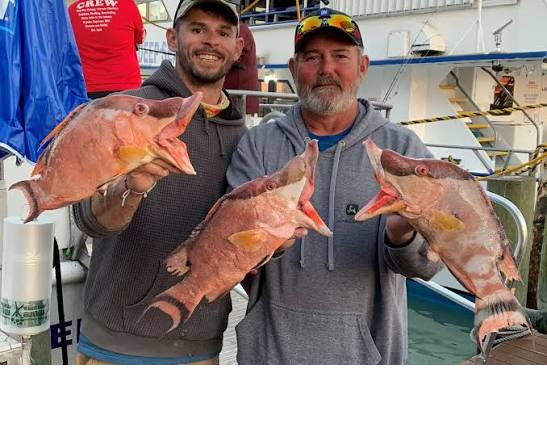
Hogfish Fishing Florida Keys: When to Go + What to Book
If you are planning a reef or bottom fishing trip and hoping for a fish that is well known around Florida Keys dinner tables, hogfish fishing Florida Keys is worth asking about before you book. Hogfish are colorful reef fish with a long, hog-like snout, a unique shape, and a reputation as one of the most desirable eating fish in the region.
They are also different from many of the species visitors ask about. Hogfish are not usually a guaranteed hook-and-line target the way yellowtail snapper, mangrove snapper, mutton snapper, or grouper might be part of a broader reef and wreck plan. That makes honest trip planning important. This guide explains when hogfish are open in the Florida Keys, what kind of charter may make sense, and how to talk with the crew about whether hogfish should be part of your day’s plan from Marathon or Key West.
Quick Answer: Hogfish Fishing in the Florida Keys
- Best planning window: Florida Keys and Atlantic hogfish harvest is currently open May 1 through October 31.
- Best trip style: Reef fishing, patch reef fishing, bottom fishing, and mixed reef/wreck charter days.
- Best trip length: 6 hours is a smart default for most visitors; 8 hours can give the captain more flexibility.
- Best departure: Marathon and Key West can both work depending on where you are staying, your trip length, and the day’s conditions.
- What matters most: Season, regulations, reef conditions, water clarity, bait, current, bottom structure, and captain judgment.
Planning your trip around a specific month or species? Use the Two Conchs Florida Keys Fishing Calendar to compare what may be biting during your travel dates, including snapper, grouper, mahi-mahi, tarpon, bonefish, permit, cobia, sailfish, wahoo, and other seasonal Keys favorites.
Why Hogfish Are So Popular in the Florida Keys
Hogfish have a strong reputation with visitors because they are unusual, colorful, and highly regarded as a food fish. They do not look like the average snapper or grouper. Adults have a longer snout, a compressed body, and a distinct reef-fish profile that makes them easy to recognize once you know what to look for.
For many guests, hogfish are interesting because they feel very “Florida Keys.” They are associated with reefs, rocky bottom, ledges, and offshore reef habitat. They are also one of the species people may hear about at local restaurants, fish markets, or from anglers who have spent time fishing in the Keys.
That said, hogfish should be approached with realistic expectations. FWC notes that hogfish use their long snout to root along the bottom for mollusks and crustaceans and are not commonly caught on hook and line. That does not mean you should never ask about them. It simply means hogfish are best discussed as part of a broader reef, bottom fishing, or mixed-species plan rather than as a guaranteed single-species charter.
When Is Hogfish Season in the Florida Keys?
For the Florida Keys and Atlantic side, FWC currently lists hogfish harvest as open May 1 through October 31. That makes late spring, summer, and early fall the main harvest window to ask about if hogfish are important to your group.
This timing can work well with other Florida Keys fishing opportunities. May brings strong all-around fishing, including tarpon, mahi-mahi, blackfin tuna, mutton snapper, grouper, yellowtail snapper, tilefish, bonefish, and red snapper on the Two Conchs Fishing Calendar. Summer can bring reef, wreck, offshore, and bottom fishing opportunities depending on the weather and your departure point.
The important thing is that “open season” does not automatically mean hogfish should be the main target on your charter. Weather, water clarity, reef conditions, legal size, bag limits, and the way your group wants to fish all matter. The best approach is to tell the crew that hogfish are of interest, then let the captain help you choose the most realistic plan for your trip date.
What Type of Charter Works Best for Hogfish?
Hogfish fit most naturally into reef, patch reef, bottom fishing, and mixed reef/wreck charter conversations. They are not the same kind of target as mahi-mahi offshore, tarpon at the bridges, or bonefish on the flats. Hogfish live around reef and rocky-bottom habitats, and their feeding behavior makes them different from many common hook-and-line charter species.
For most visitors, the best plan is not a hogfish-only mindset. A smarter plan is to book a reef or bottom fishing trip where hogfish may be one of the species discussed, while the captain also has room to work toward snapper, grouper, mackerel, cobia, kingfish, jacks, or other fish that fit the day’s conditions.
This is especially important for families and vacation groups. If the day is planned too narrowly around one species, it can become frustrating when conditions do not line up. A mixed reef or wreck plan gives the crew more ways to create action while still keeping hogfish on the radar if the timing, area, and regulations make sense.
How Long Should You Book for Hogfish Fishing?
A 4-hour trip can work for a shorter reef-style experience, especially if your group is newer to fishing or has a tight vacation schedule. However, a short charter may not offer enough flexibility if hogfish are one of your main interests.
A 6-hour trip is usually the better default for most visitors. More time gives the captain room to work around current, water clarity, reef conditions, bait, and other species that may be part of the same general plan. It also gives your group a more complete Florida Keys reef or bottom fishing experience without committing to the longest option.
An 8-hour trip can make sense if your group wants a broader reef, wreck, bottom fishing, or mixed-species day. Longer trips do not guarantee hogfish, but they do give the captain more range and flexibility to build the best possible plan for the conditions.
Marathon vs Key West for Hogfish Fishing
Marathon fishing charters are a natural fit for guests staying in the Middle Keys, Isla Bella, Key Colony Beach, Duck Key, or nearby areas. Marathon also works well for visitors who want access to reef, bay, wreck, Gulf, offshore, and bottom fishing options from a central Florida Keys location.
Key West fishing charters are a strong choice if you are staying on the island and want your fishing day to fit easily into your vacation schedule. Key West can also make sense for reef, wreck, and mixed-species planning when the conditions support that style of day.
The best departure point depends on where you are staying, how much time you want on the water, and what type of fishing experience your group wants. For hogfish, the more important question is not simply Marathon or Key West. It is whether the trip length, season, legal harvest window, and fishing plan give the crew enough flexibility to make a reef or bottom fishing day worthwhile.
 Hogfish Regulations and Keeping Fish
Hogfish regulations can change, and the rules differ depending on the management area. For the Atlantic side and Florida Keys, FWC currently lists hogfish with a 16-inch fork length minimum, 1 per harvester daily bag limit, and an open season from May 1 through October 31. FWC also notes that this Atlantic category includes all state and federal waters south of Cape Sable, including the Florida Keys.
For Gulf waters north of Cape Sable, FWC currently lists different rules: 14-inch fork length, 5 per harvester, and open year-round. Because Two Conchs trips can involve different fishing zones depending on the charter plan, guests should not assume one set of rules applies everywhere without checking current guidance.
Helpful official resources include the FWC Hogfish regulations page, the FWC Hogfish species profile, and the Fish Rules app. Always confirm current rules before your trip and follow your captain’s guidance on what can legally be kept.
Local Captain Insight for Hogfish Fishing in the Florida Keys
Hogfish fishing is one of those Florida Keys topics where honest local guidance matters. Captain Jack and the Two Conchs team look at the season, regulations, water clarity, reef conditions, current, bottom structure, bait, trip length, and the group’s expectations before deciding how hogfish may fit into the day’s plan.
Some days may make hogfish worth discussing as part of a reef or bottom fishing charter. Other days may be better focused on yellowtail snapper, mangrove snapper, mutton snapper, grouper, kingfish, cobia, barracuda, or other species that are more realistic for the conditions. That local judgment helps keep the trip useful and productive instead of promising a fish that may not be the best target for that day.
Book Your Hogfish Charter with Two Conchs
When you are ready to plan, start with your travel dates, where you are staying, and how important hogfish are to your group. You can review the Two Conchs FAQs before booking or contact Two Conchs for help choosing the right trip.
If you are planning around hogfish fishing Florida Keys, let the crew know early. They can help you decide whether a 6-hour reef trip, a longer bottom fishing charter, or a broader mixed-species day gives your group the best opportunity for your dates.
Frequently Asked Questions
FAQ
When is hogfish season in the Florida Keys?
FWC currently lists Atlantic and Florida Keys hogfish harvest as open May 1 through October 31. Always confirm current rules before your trip because seasons, size limits, and bag limits can change.
Can you catch hogfish on a fishing charter?
Sometimes, but hogfish should be approached realistically. They are often better discussed as part of a reef, bottom fishing, or mixed-species plan rather than as a guaranteed single-species charter target.
What type of charter is best for hogfish?
Hogfish fit best into reef fishing, patch reef fishing, bottom fishing, and mixed reef or wreck charters. The best plan depends on the season, regulations, conditions, trip length, and the captain’s judgment.
Is hogfish good to eat?
Yes. Hogfish are widely regarded as an excellent food fish, which is one reason visitors often ask about them. Whether you can keep one depends on current regulations, size, season, bag limits, and where you are fishing.
How long should I book for hogfish fishing?
A 6-hour trip is a smart default for most visitors who want a reef or bottom fishing day with hogfish as one possible species. An 8-hour trip can give the captain more flexibility for a broader mixed-species plan.
Is Marathon or Key West better for hogfish?
Both can make sense depending on where you are staying and what kind of trip you want. Marathon is a natural fit for Middle Keys reef, bay, wreck, and bottom fishing options, while Key West is convenient for guests staying on the island.
What do hogfish look like?
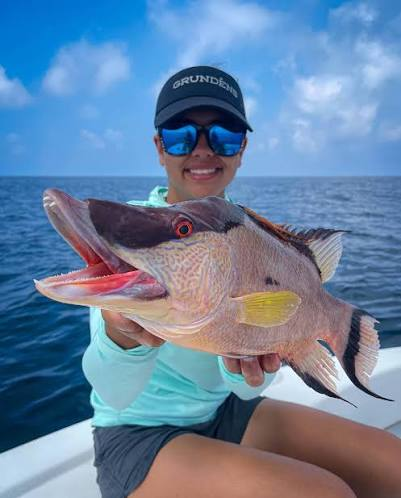
Hogfish have a deep, compressed body, elongated front dorsal spines, a long snout in adults, a dark blotch near the dorsal fin, and a tail with elongated upper and lower lobes.
Should I book a hogfish-only charter?
Most visitors should keep the plan flexible. Tell the crew hogfish are of interest, but be open to a mixed reef, wreck, or bottom fishing charter that may also include snapper, grouper, kingfish, cobia, barracuda, or other seasonal fish.
Official Planning Sources
- Two Conchs Florida Keys Fishing Calendar
- About Captain Jack and Two Conchs
- NWS Florida Keys Marine Forecast
- FWC Hogfish Regulations
- FWC Hogfish Species Profile
- Fish Rules App