
MARATHON FISHING TOURNAMENTS: HOW TO JOIN AND PREPARE
Marathon Fishing Tournaments: How to Join and Prepare
Marathon fishing tournaments bring the thrill of competition to some of the world’s best fishing waters. Whether you’re an experienced tournament angler or considering your first competitive event, Marathon’s central Florida Keys location and diverse fisheries create the perfect tournament destination. From local inshore events to high-stakes offshore competitions, fishing tournaments Marathon Florida offer something for every skill level and budget.
Ready to test your skills against fellow anglers and experience the adrenaline rush of tournament fishing? This guide covers everything you need to know about joining and preparing for Marathon Florida fishing tournaments.
Why Marathon Is a Tournament Fishing Hub
Marathon’s location at mile marker 48-54 in the heart of the Florida Keys creates unique advantages for tournament fishing. You’re just five minutes from open water, whether heading offshore to the Atlantic, west into the Gulf, or exploring the extensive backcountry. This accessibility means more fishing time and less running, crucial factors when every minute counts during competition.
The area’s three distinct fisheries—offshore deep water, productive reef systems, and expansive backcountry flats—support year-round tournaments targeting different species. Marathon has earned its reputation as a tournament headquarters through decades of hosting premier events, from intimate charity fundraisers to major championship competitions with six-figure purses.
Marathon’s Major Fishing Tournaments
NOTE: Marathon also hosts other events plus charity tournaments throughout the year—dates and formats vary
Marathon Premier Sailfish Tournament (April)
 This nonprofit tournament has quickly become one of Marathon’s signature events since its founding in 2021. The catch-and-release format benefits Mission Fishin’, a South Florida charity that funds fishing adventures for foster children and youngsters with special needs, as well as supporting local organizations including Marathon Special Olympics.
Tournament Details:
- When: Mid-April (typically third weekend)
- Format: Two-day catch-and-release sailfish tournament
- Location: Marathon waters, Atlantic side
- Entry Fee: Varies by division and optional jackpots
- Awards: Top three boat teams, plus categories for top male, female, and junior anglers
The tournament features a Thursday evening kickoff at Fairfield Inn Tiki with rules meeting, two full days of fishing Friday-Saturday (lines in at 8 AM), and Saturday evening awards banquet at Aquarium Encounters. What makes this event special is its community focus—it’s designed by local charter captains who wanted a quality sailfish tournament in their home waters while giving back to worthy causes.
Tarponian Fishing Tournament (Late April/Early May)
 One of the Florida Keys’ most unique and exciting tournaments, the Tarponian has been a spring tradition for serious tarpon anglers. This high-energy event occurs during peak tarpon migration when massive silver kings push through Marathon’s famous bridge channels.
Tournament Format (What Makes It Special): The Tarponian’s rotating format ensures fairness and keeps competition intense. Teams fish three separate evenings, but here’s the twist—you fish with a different captain each night, and teams rotate among three different locations: Seven Mile Bridge, Long Key Bridge, and Bahia Honda Bridge. This means no team has a home-water advantage, and captains compete for top honors based on total fish caught from their boats.
Tournament Details:
- When: Late April through early May (usually 5 days total with 3 fishing nights)
- Format: Three-evening tarpon tournament, catch-and-release
- Entry Fee: $1,400-$1,750 per angler (2-3 person teams)
- What’s Included: All fishing, tournament shirt, banquet, and prize money
- Kickoff: Saturday evening at Florida Keys Steak and Lobster House
- Fishing: Sunday, Monday, and Wednesday evenings (4 PM-8 PM)
- Awards Banquet: Wednesday evening following final fishing session
The 2024 tournament saw 50 anglers on 16 boats release 82 tarpon total, with the winning team from Pennsylvania catching eight fish to take home $4,500 in prize money. Captain awards go to guides whose boats produce the most fish across all teams.
Two Conchs Marathon Offshore Bull and Cow Dolphin Tournament (Early May)
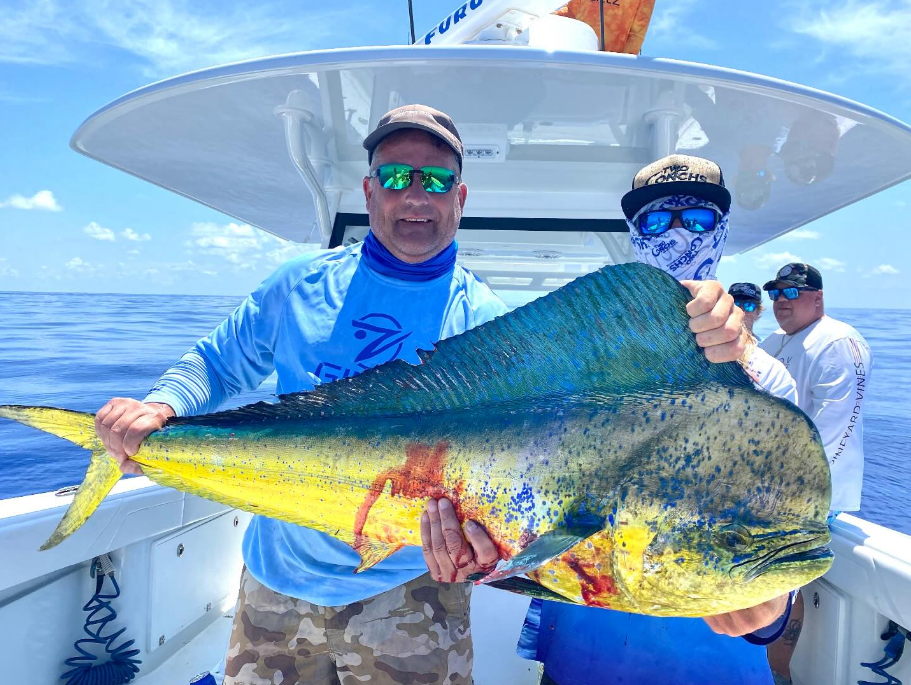 This offshore tournament coincides with peak mahi-mahi season and offers some of the best prize money in the Keys. Anglers compete for up to $25,000 in cash and prizes across multiple categories.
Tournament Details:
- When: First weekend of May
- Target Species: Mahi-mahi (bull and cow combined weight), Also Cash Awards for:
Largest Bull Dolphin, Largest Cow Dolphin, 3 Largest Dolphin Combined Weight, Largest Wahoo, Blackfin Tuna & Tripletail 1-3rd places - Format: Offshore tournament, weigh-in competition
- Divisions: Multiple boat divisions based on size and experience
- Entry Fee: Varies by division plus optional jackpots
- Website: marathonoffshoretournament.com
This tournament attracts serious offshore teams with tournament-rigged boats looking to capitalize on Marathon’s exceptional mahi-mahi fishing during peak season. The combined bull and cow format rewards teams that find quality fish of both sexes rather than just one giant bull.
Bob Traa Faro Blanco Invitational Tarpon Tournament (Early May)
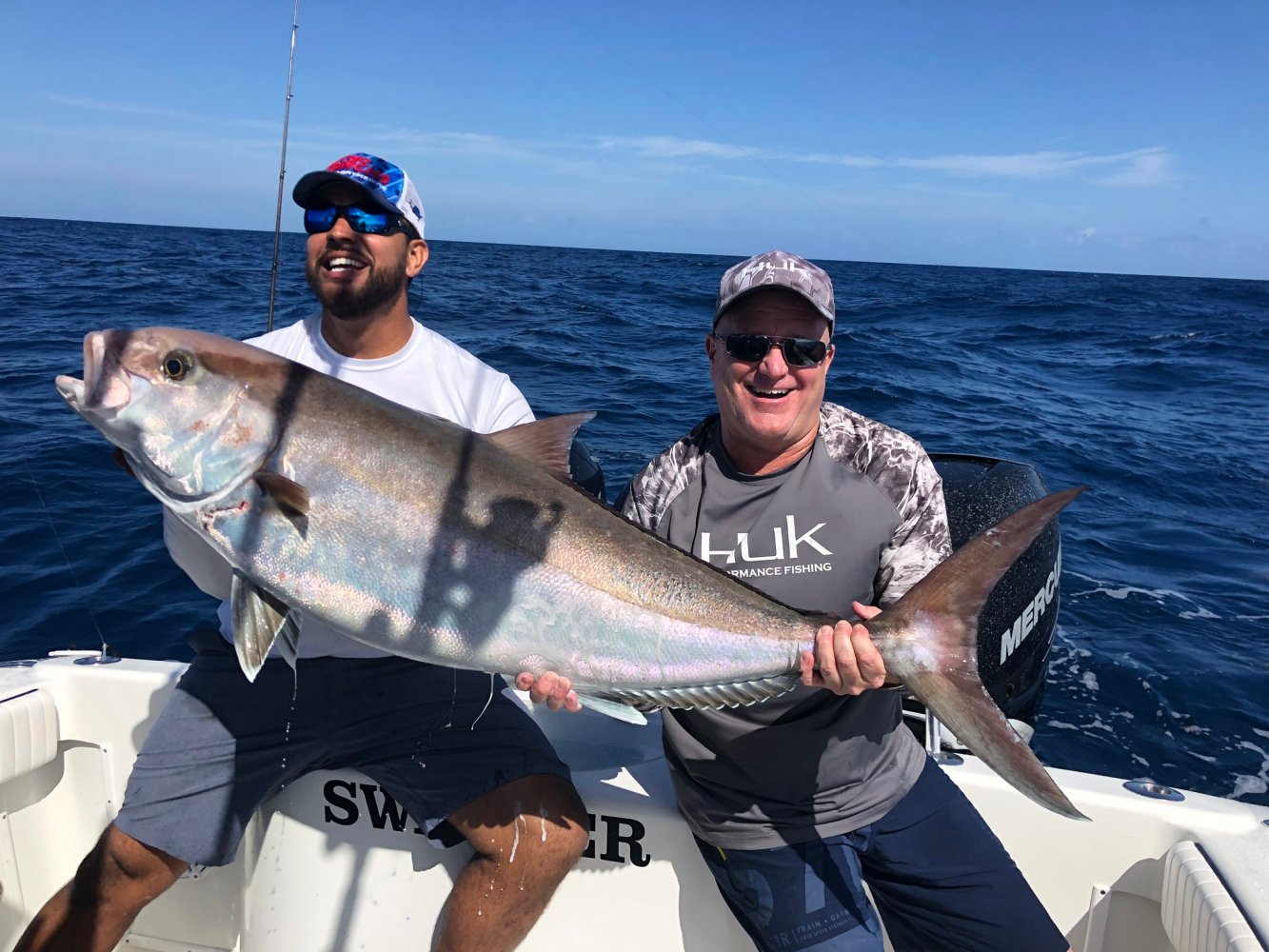 Recently renamed to honor tournament founder Bob Traa, this popular event has been benefiting Ronald McDonald House charities for over 30 years. Like the Tarponian, it features the rotating captain and bridge format that Marathon tarpon tournaments have made famous.
Tournament Details:
- When: Early May (typically overlapping with other May tournaments)
- Format: Three-night tarpon tournament with rotating captains and bridges
- Teams: 2-4 anglers per boat
- Benefits: Ronald McDonald House Summer Camp program for disabled children
- Format: Teams fish with three different captains at three different bridges
The week-long format allows for flexibility with weather and creates a true test of angling skill across different guides and locations.
Two Conchs Father’s Day Dolphin Derby (June)
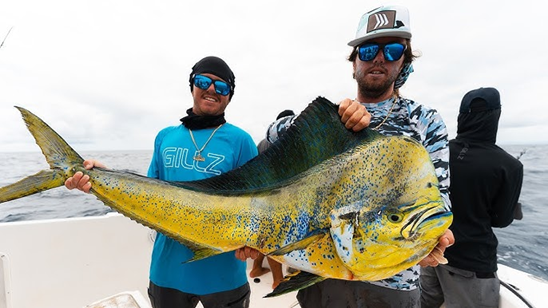 A fun, family-friendly tournament timed perfectly for Father’s Day weekend when mahi-mahi are still plentiful in Marathon waters.
Tournament Details:
- When: Father’s Day weekend (mid-June)
- Format: One or two-day offshore mahi tournament
- Awards: Cash and prizes to top four heaviest fish
- Family Focus: Great tournament for introducing kids to competitive fishing
- Website: fathersdaydolphintournament.com
This tournament offers a more relaxed atmosphere compared to big-money events, making it perfect for families and first-time tournament anglers.
Two Conchs Marathon Offshore Swordfish Tournament (October)
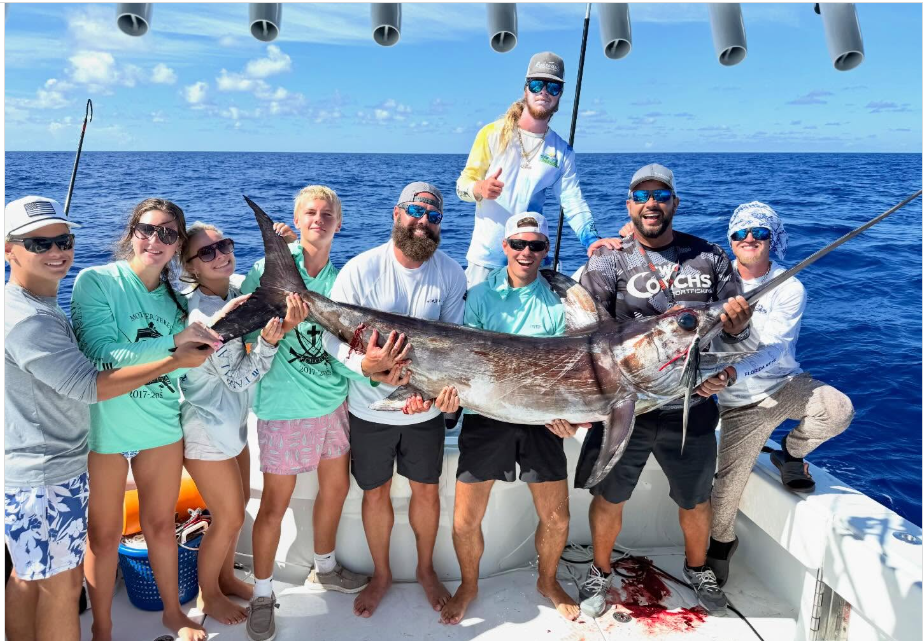 This is Marathon’s big fall offshore event built around daytime swordfishing—high-effort, high-reward fishing with serious cash and prize incentives. The tournament is run out of Marathon with a mandatory captain’s meeting at Two Conchs Bait & Tackle, daily weigh-ins, and awards for the top teams.
Tournament Details:
- When: October (dates vary by year; past schedules have included multi-day windows like Oct 8–12).
- Target Species: Swordfish (and in some years there’s also a wahoo category/option—often branded as “Swords & Stripes”).
- Format: Offshore weigh-in tournament; teams typically choose fishing days within the tournament window, with daily weigh-in hours posted by the organizers.
- Awards: 1st place as advertised plus a swordfish head mount; 2nd place as advertised plus a head mount; 3rd place head mount.
- Rules Notes (quick): Daytime-only format, electric reels permitted, fishing boundaries listed as Key Largo to Key West, and HMS permit required (per the posted rules/notes).
- Website: marathonoffshoretournament.com
This event tends to attract teams that are comfortable with offshore planning and want a structured tournament format with clear weigh-in windows and meaningful payouts—especially anglers looking to put in the work for a single “big bite” that can win the whole thing.
How to Enter a Marathon Fishing Tournament
Finding Tournament Information
Start your tournament planning well in advance. Marathon tournaments often fill up months before the event, particularly popular ones like the swordfish events. Visit tournament websites directly (most are linked above), follow Florida Keys fishing social media groups, and check with Marathon marinas like Two Conchs Marina at 11499 Overseas Highway for posted tournament information.
Many Marathon charter captains specialize in tournament fishing and can provide insider information about upcoming events, entry deadlines, and what to expect. If you’re booking a charter specifically for a tournament, mention this when reserving—tournament charters require different preparation than recreational trips.
Registration Process
Most Marathon tournaments follow similar registration procedures. Early registration typically opens several months before the event and often includes discounted entry fees—sometimes saving $100-300 by registering early. You’ll need to select your division (boat size categories, amateur versus professional, etc.), choose optional jackpot entries, and submit payment to secure your spot. You can register her for Two Conchs Fishing Tournaments
Captain’s meetings are mandatory for all tournaments. These usually occur the evening before fishing begins and cover crucial information including boundaries, rules, radio frequencies, scoring procedures, and any last-minute changes due to weather. Missing the captain’s meeting can result in disqualification, so plan travel accordingly.
Team Requirements and Structure
Tournament team requirements vary by event format. Offshore tournaments like the dolphin derbies typically allow 4-6 anglers per boat with maximum registered participants. Tarpon tournaments like the Tarponian use 2-3 person teams since bridge fishing is close-quarters work. Some tournaments require captains to hold specific licenses or certifications, though this is handled by your charter captain if you’re not running your own boat.
All participants need valid Florida fishing licenses. Check the tournament rules. Tournament entry usually doesn’t include licenses—these must be obtained separately online through the Florida Fish and Wildlife Conservation Commission or at local tackle shops. Make sure your license covers the tournament dates, as multi-day events can span license expiration dates.
Charter or Private Boat?
If you don’t own a tournament-capable boat in Marathon, booking a charter captain is your best option. Many Marathon captains specialize in tournament fishing and know exactly what it takes to compete successfully. When booking tournament charters, understand that rates are typically higher than recreational trips—you’re paying for the captain’s tournament expertise, premium tackle, and extra preparation time.
For offshore tournaments, you’ll want a captain with a proven track record in that specific event. Ask about their tournament history, what boats they’ve won on, and their strategy for the competition. For tarpon tournaments with rotating captains, you’ll fish with multiple guides, so the tournament organizers handle captain assignments.
Preparing for Your Marathon Tournament
Research and Pre-Fishing
If tournament rules allow pre-fishing (most do, with restrictions), take advantage of this opportunity. Spend a day or two before the event exploring the fishing grounds, identifying productive areas, and testing techniques. Mark GPS waypoints, note water conditions, and pay attention to bait patterns. Even if you’re fishing with a charter captain who knows the area, your observations and input can help refine strategy.
During pre-fishing for offshore events, look for weed lines, temperature breaks, color changes, and structure that holds bait. Note which depths produce fish and what presentations work best. For tarpon tournaments, watch bridge channels during different tide phases to see where fish stage and how they respond to various baits and presentations.
Equipment and Tackle Preparation
Tournament fishing demands reliable equipment. If you’re bringing your own rods and reels (some tournaments allow this even on charter boats), make sure everything is tournament-ready. Fresh line is essential—many tournaments have line class categories, so check regulations carefully. Bring backup reels already spooled and ready if a primary reel fails.
Check all drag systems, replace worn line guides, and ensure reel handles are tight. Tournament day is not when you want to discover your favorite reel has developed issues. If fishing with provided charter equipment, arrive early to familiarize yourself with the gear and ask the captain about backup options if something breaks during competition.
Leaders, hooks, and terminal tackle should be organized and ready to tie quickly. Pre-rig as much as tournament rules allow. Offshore tournaments often allow pre-rigged baits stored on ice. Tarpon tournaments typically require live bait fished on certain hook styles—know the rules and have plenty of extras ready.
Understanding Tournament Rules
Every tournament has specific regulations, and violations can lead to disqualification regardless of how well you’ve fished. Read the tournament rules carefully, ask questions at the captain’s meeting, and don’t assume anything. Key rules to verify include fishing boundaries (GPS coordinates of legal fishing areas), time restrictions (exact lines-in and lines-out times), species regulations (size limits, bag limits, legal catch methods), tackle restrictions (line class, hook requirements, bait regulations), and scoring procedures (how fish are measured, weighed, or photographed for points).
For catch-and-release tournaments like Marathon’s sailfish and tarpon events, proper documentation is crucial. This usually means clear photographs of the fish alongside the boat, with identifying markers visible, proper video if required, and witness signatures on score sheets. Practice taking quick, clear photos before tournament day—you don’t want to lose points because your documentation doesn’t meet requirements.
Physical and Mental Preparation
Tournament fishing is physically demanding. You might stand for 8-10 hours fighting fish, pulling anchor, and managing gear. Start getting in fishing shape a few weeks before your event—even walking daily helps build endurance. Stay hydrated during competition, eat energy-sustaining foods rather than heavy meals, and protect yourself from sun exposure with proper clothing, hats, and sunscreen.
Mental preparation matters as much as physical readiness. Tournament fishing involves pressure, competition stress, and inevitable setbacks like lost fish or equipment failures. Successful tournament anglers stay focused, maintain positive attitudes despite adversity, and trust their preparation and skills. Visualize success, but also prepare mentally for challenges and how you’ll respond constructively.
Tournament Day Strategy
Pre-Tournament Morning
Arrive at least an hour before lines-in time for offshore tournaments. You’ll need to load coolers, organize tackle, fuel up if needed, and position your boat for the run. Check weather and sea conditions one final time. For bridge tarpon tournaments, arrival time is less critical since venues are close, but you still want to be settled and ready when fishing begins.
Confirm everyone on your team knows their roles. Who handles which rod position? Who manages the live well? Who takes photos? Clear communication and defined roles prevent confusion when action heats up. Review your game plan with the captain—where you’re starting, backup locations if the primary spot doesn’t produce, and how you’ll adjust based on what other boats are doing.
During Competition
Start strong by heading to your best location immediately at lines-in. Tournament veterans know the first hour often produces the most fish as everyone hits fresh, unpressured grounds. Stay focused and fish efficiently. Have pre-rigged lines ready, keep bait fresh, and minimize downtime between fish or spots.
Watch other boats but don’t automatically follow the crowd. Sometimes the biggest fish come from staying patient on your proven spots rather than chasing rumors. However, be willing to adjust if your plan isn’t producing. Successful tournament teams balance persistence with flexibility.
Time management becomes critical as lines-out approaches. Know exactly how long it takes to reach the weigh-in from your current location. Getting disqualified for being late negates an entire day’s work. Set alarms, track time religiously, and leave buffer room for unexpected delays like rough seas or mechanical issues.
Communication and Sportsmanship
Monitor tournament radio channels for important updates from directors. Report emergencies or safety issues immediately. Many tournaments share basic information like catch totals or weather updates over designated channels.
Tournament fishing gets competitive, but sportsmanship matters. Respect other boats’ space, follow established fishing etiquette, and help fellow competitors who experience emergencies or safety situations. The Marathon tournament community is tight-knit—your reputation matters beyond just one event.
After the Tournament
Weigh-In and Documentation
Arrive at weigh-in with time to spare. Have fish properly stored (iced if keeping), documentation organized, and team ready to present your catch. Many tournaments photograph fish at weigh-in for publicity and records. Cooperate with this process and enjoy the moment—whether you won or not, tournament fishing creates great memories and photos.
Some high-dollar tournaments require polygraph tests for placing teams. This is standard procedure, not an accusation. Be honest, follow instructions from polygraph administrators, and don’t stress about the process.
Awards Ceremony
Tournament awards ceremonies celebrate everyone’s efforts while recognizing top performers. Even if you didn’t place, attend the ceremony. You’ll see strategies that worked, network with successful teams, and learn from post-tournament conversations. Many tournament friendships and future team partnerships form during awards ceremonies over shared experiences and cold beverages.
Take photos, collect any prizes you’ve won, and congratulate winning teams genuinely. Ask successful anglers about their strategies—most are happy to share general approaches after competition ends. This is how you improve for next time.
Tips from Marathon Tournament Veterans
The most successful Marathon tournament anglers emphasize preparation over raw fishing skill. They scout thoroughly, maintain equipment meticulously, and have backup plans for their backup plans. They also stress the importance of team chemistry—tournament fishing can be stressful, and teams that communicate well and support each other consistently outperform groups with more talent but poor dynamics.
Local knowledge matters enormously in Marathon tournaments. If you’re new to the area, hiring a Marathon-based charter captain for tournament experience gives you insider expertise that can’t be replicated through online research or a few days of pre-fishing. Marathon captains who compete regularly know current patterns, productive spots, and subtle techniques that make the difference between placing and finishing mid-pack.
Stay flexible and positive throughout tournament day. Fish are unpredictable, equipment fails, and weather changes. Teams that adapt quickly and maintain good attitudes position themselves to capitalize when opportunities arise. Some tournament wins come not from catching the most fish, but from outlasting competitors who gave up or lost focus when things got tough.
Cost Considerations for Marathon Tournaments
Entry Fees and Expenses
Tournament costs vary dramatically based on event type and divisions entered. Smaller charity tournaments like the Father’s Day Dolphin Derby might charge $200-400 per boat, while major offshore tournaments with big-money divisions can run $2,000+ in entry fees alone before optional jackpots.
If chartering, expect to pay $1,500-3,000 for a tournament day depending on boat size and tournament prestige and add to that the captain’s tip. Multi-day events multiply these costs. Factor in lodging (Marathon hotels fill up during major tournaments, so book early), fuel and supplies, food and beverages for the team, and tournament-specific gear or clothing if required.
Optional jackpots and calcuttas can significantly increase costs but also boost potential winnings. Carefully consider which optional entries make sense for your team’s skill level and budget. In major tournaments, top teams might invest $5,000-$10,000 in entries and jackpots, creating enormous prize pools but also substantial risk.
Maximizing Value
To get the most from your tournament investment, book early to secure captain’s meeting dates and avoid rushed travel. Join as crew before captaining to learn tournament formats and procedures with less financial pressure. Start with smaller, lower-cost tournaments to build experience before tackling major championships.
Many Marathon tournaments offer multi-day packages or early-registration discounts that reduce per-day costs. Take advantage of these deals when possible. If organizing a group, filling a charter boat with the maximum number of anglers splits costs effectively while creating a fun team atmosphere.
Conservation and Ethics in Tournament Fishing
Modern tournament fishing increasingly emphasizes conservation. Marathon’s premier tournaments like the sailfish and tarpon events use catch-and-release formats that protect fish populations while providing exciting competition. These formats require proper fish handling—minimize time out of water, support fish properly for photos, and ensure healthy releases by reviving fish when necessary.
Even tournaments with weigh-ins often incorporate conservation measures. Many now require barbless circle hooks for better survival rates, have slot limits to protect breeding-size fish, and include fish donation programs where tournament catches go to local food banks and charities rather than being wasted.
Follow all Florida Fish and Wildlife Conservation Commission regulations regarding size limits, bag limits, and seasonal closures. Tournament participation doesn’t exempt you from conservation laws—in fact, higher scrutiny applies during competition. Ethical tournament anglers serve as ambassadors for the sport, demonstrating that competitive fishing and conservation coexist successfully.
Ready to Compete in Marathon?
Marathon fishing tournaments offer the perfect blend of world-class fishing, competitive excitement, and Keys adventure. Whether you’re chasing your first tournament tarpon at the bridges, competing for big money in offshore events, or testing your skills in charity competitions, Marathon’s tournament scene delivers unforgettable experiences.
Start planning your tournament adventure today. Research upcoming events, connect with Marathon charter captains who specialize in tournament fishing, and prepare your team for competition. The adrenaline rush of tournament fishing, the camaraderie of fellow competitors, and the chance to test yourself against Marathon’s legendary fish await.
Marathon tournament fishing isn’t just about winning—it’s about pushing your skills, creating lasting memories, and becoming part of the Florida Keys fishing community. Book your Marathon charter for the next tournament and discover why anglers return year after year to compete in these exciting events!
Frequently Asked Questions About Marathon Fishing Tournaments
Do I need my own boat to fish Marathon tournaments? No! Most tournament anglers in Marathon charter professional captains who provide tournament-ready boats and equipment. This gives you access to local expertise and eliminates the need to trailer a boat to the Keys. Clarify tournament pricing with your charter captain—tournament rates typically run higher than recreational fishing trips.
What’s the best Marathon tournament for beginners? The Father’s Day Dolphin Derby and smaller charity events offer newcomer-friendly formats with less pressure than major championship tournaments. These events still provide genuine competitive experiences while being more forgiving of mistakes. The community atmosphere helps first-timers learn tournament procedures in supportive environments.
Can kids participate in Marathon fishing tournaments? Yes! Many Marathon tournaments include junior angler divisions for participants under 16 or 18. The Father’s Day tournament especially welcomes family participation. For tarpon tournaments, check age requirements as some bridge fishing involves heavy tackle that younger children may struggle to handle safely.
How far in advance should I register for Marathon tournaments? Register as early as possible—3-6 months ahead for major events like the Tarponian and sailfish tournaments. Popular tournaments fill quickly, and early registration often saves money through discounted entry fees. Last-minute entries sometimes happen, but availability isn’t guaranteed.
What happens if weather cancels tournament days? Each tournament has specific weather policies outlined in official rules. Most include provisions for rescheduling days or reducing the number of competition days if severe weather makes fishing unsafe. Tournament directors make these calls, and their decisions are final. Always attend captain’s meetings where weather contingencies are discussed.
Are there women-only fishing tournaments in Marathon? While Marathon doesn’t currently host women-only tournaments, female anglers compete successfully in all Marathon events. Many tournaments include specific awards for top female anglers. The Florida Keys hosts several women’s tournaments in nearby Islamorada if you’re specifically interested in women-only formats.
What are typical prize payouts for Marathon tournaments? Prize money varies dramatically by tournament size and entry fees. Smaller charity events might award $1,000-5,000 total across all categories. Mid-size tournaments distribute $10,000-25,000. Major offshore events can exceed $50,000 in total payouts. Individual placing payouts depend on the number of teams entered—more boats means larger prize pools but more competition.
Can I practice in tournament waters before the event? Most Marathon tournaments allow pre-fishing with some restrictions. Rules typically prohibit leaving markers or buoys in tournament areas, restricting communications about locations during competition, and may limit when pre-fishing can occur. Check specific tournament rules, as some events prohibit practice fishing entirely to level the playing field.
Want to experience Marathon tournament fishing firsthand? Contact Two Conchs at 11499 Overseas Highway in Marathon to book tournament charters with experienced local captains. Our fleet and expert guides can help you compete successfully in Marathon’s exciting tournament scene!