
TARPON FISHING FLORIDA KEYS: WHAT TO EXPECT + WHEN TO BOOK
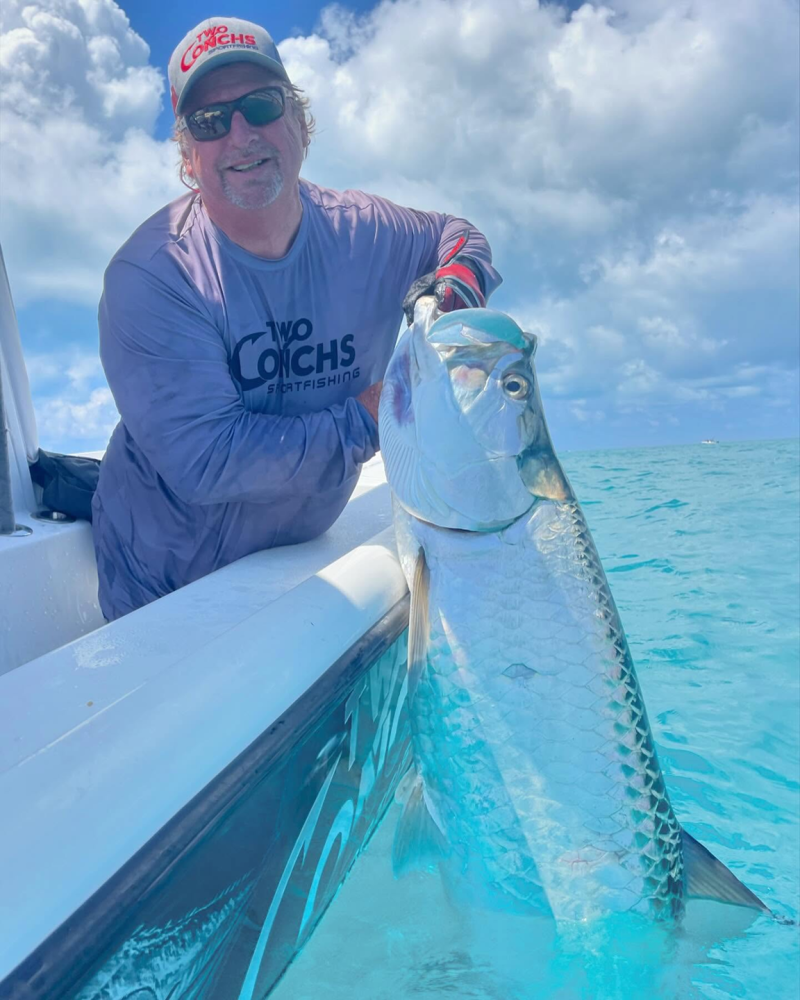
Tarpon Fishing Florida Keys: What to Expect + When to Book (Key West & Marathon)
If you want the Florida Keys experience that feels most “iconic,” tarpon fishing Florida Keys is at the top of the list. Tarpon trips are exciting, visual, and unforgettable—but they’re also the kind of day that rewards good planning. The best tarpon experiences happen when you book the right time window, match the trip style to your group, and let the captain plan around tides and conditions.
This guide is for visitors. It explains what tarpon fishing Florida Keys looks like for charter guests, how Key West vs Marathon affects your scheduling, and what to book so your day matches your expectations.
Quick Answer Block
- Most common planning window: spring into early summer (prime migration period is often described in that range)
- Best trip style: targeted tarpon trips planned around tides and timing
- Best trip length: 4–6 hours for most visitors (tarpon trips are often timing-specific)
- Key West vs Marathon: choose the port that matches where you’re staying and your schedule
- Best planning move: book early and stay flexible around timing and conditions
Why tarpon is different from most charter fishing
Tarpon trips don’t feel like “normal fishing.” They’re more visual, more timing-based, and often more intense when the moment happens. That’s why tarpon fishing Florida Keys is so popular for travelers who want a signature experience rather than a cooler full of fish.
When is tarpon season in the Florida Keys?
Most visitors plan tarpon fishing Florida Keys around spring into early summer, when migration energy and consistent opportunities are most commonly discussed. Outside that window, you can still encounter tarpon, but spring planning is usually the simplest way for travelers to align dates with higher confidence.
Instead of focusing on one “perfect week,” focus on booking a trip style that matches your group and letting your captain plan around tides and timing. That approach produces better tarpon days.
Key West vs Marathon: which is better for tarpon?
Both areas can produce great tarpon opportunities. The right choice for tarpon fishing Florida Keys is usually the one that fits your trip logistics and keeps the day simple.
- Choose Key West if you’re staying on the island and want an easy schedule built around a Key West day.
- Choose Marathon if you’re staying in the Middle Keys or you’re building a multi-day plan and want an efficient departure from where you’re based.
Start here:
How long should you book for tarpon?
Tarpon trips are often built around timing—tides, current, and feeding windows—so longer isn’t always “better” in the way it is offshore.
4 hours: a great fit for many visitors because it can target a prime window without making the day feel long.
6 hours: gives more flexibility if timing shifts or you want more shots within the day.
If your goal is tarpon fishing Florida Keys as a focused experience, 4–6 hours is the right planning range for most visitors.
What to expect on a tarpon charter day
A tarpon day typically includes preparation and waiting for the right windows—then moments where everything happens fast. This is normal. Tarpon fishing is often about a few quality opportunities rather than nonstop bites. The payoff is the experience: powerful runs, jumps, and the kind of fight people travel for.
The best way to enjoy tarpon fishing Florida Keys is to set the goal correctly: you’re booking a signature experience, not a guarantee of a specific outcome. A good captain will put you in the best position the day allows.
Tides and planning
Tarpon opportunities are often tide- and timing-sensitive. You don’t need to study charts to book correctly—you just need to tell the captain your dates, where you’re staying, and what kind of experience you want. The captain handles timing recommendations.
If you like checking tides yourself, NOAA is a reliable reference point:
Rules and responsible handling
Tarpon are managed under specific regulations. Many trips are catch-and-release, and handling practices matter. Your captain will follow current rules and best practices. For official Florida references, start with:
Book your tarpon trip
The best booking language is clear and simple: “We want a tarpon-focused trip,” and “We want it scheduled around the best timing window for our dates.” That’s enough for the captain to recommend the best plan.
If you want the simple takeaway: tarpon fishing Florida Keys is best when you book a focused 4–6 hour trip timed to conditions—so share your dates and location, and let the captain build the plan.
FAQ: Tarpon Fishing Florida Keys
When is tarpon season in the Florida Keys?
Many visitors plan around spring into early summer, when tarpon opportunities are most commonly targeted.
Is Key West or Marathon better for tarpon?
Both can be excellent. Choose the port that matches where you’re staying and your schedule.
How long should we book?
Most visitors do best with 4–6 hours because tarpon trips are often timed to prime windows.
Do we need to understand tides?
No. Your captain will plan around tides and timing. You just need to share your dates and goals.
Is tarpon fishing good for beginners?
Yes, if you want the experience and understand it’s a timing-based trip. The crew will guide you through it.
Can we keep tarpon?
Tarpon are managed under specific rules, and many trips are catch-and-release. Follow your captain’s guidance and current regulations.
What should we bring?
Sun protection, water, non-greasy snacks, and a light layer if you’re going early.
Where do we book?
Book Key West or Marathon based on where you’re staying, then ask for a tarpon-focused plan timed to the best window.
If you’re choosing dates, see the Key West month-by-month guide: Best Time to Fish in Key West (Month-by-Month)