
AMBERJACK FISHING FLORIDA KEYS: WRECKS, REEFS & WHAT TO BOOK
Amberjack Fishing Florida Keys: Wrecks, Reefs & What to Book
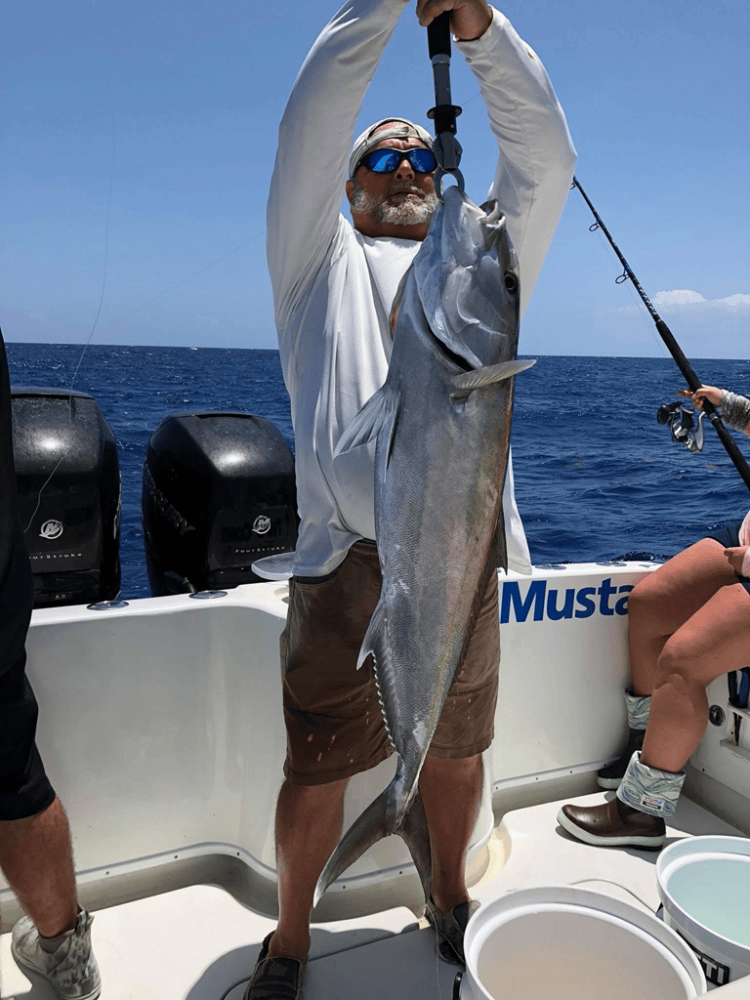
Want a Florida Keys fishing charter where one powerful fish can put your strength to the test? Amberjack fishing in the Florida Keys offers exactly that kind of experience. Greater amberjack are known for their strength, endurance, and ability to make anglers work for every foot of line. Around the Keys, these fish are associated with wrecks, reefs, and deeper offshore structure where they feed on baitfish and other marine life.
For visitors staying in Marathon or Key West, amberjack can be an exciting addition to a reef or wreck fishing charter. The key is understanding where these fish are found, how they are caught, how much time to book, and whether current regulations allow harvest during your trip.
Quick Answer: Amberjack Fishing in the Florida Keys
- Where to find them: Greater amberjack commonly gather around offshore wrecks, rocky reefs, and other underwater structure.
- Fishing methods: Live bait, vertical jigging, and other structure-focused techniques.
- Best charter options: Reef and wreck fishing, offshore structure trips, and mixed-species charters.
- Recommended trip length: Consider 6 hours for wreck and reef fishing or 8 hours for additional range and flexibility.
- Seasonal considerations: Fishing opportunities depend on conditions, while legal harvest seasons differ between Gulf and Atlantic waters.
- Departure options: Marathon and Key West, depending on your accommodations and desired fishing grounds.
Why Are Greater Amberjack Such Strong Fighting Fish?
Greater amberjack have earned a reputation as some of the toughest fighters associated with Florida’s offshore wrecks and reefs. Their muscular bodies and powerful swimming ability allow them to make strong runs when hooked.
Unlike fish that spend much of the fight near the surface, amberjack often try to return toward the underwater structure where they were hooked. This creates an immediate challenge: the angler needs to maintain pressure while preventing the fish from reaching obstacles that could break the line.
Greater amberjack have olive-green to brownish backs, silvery sides, and a dark stripe extending from the nose toward the dorsal fin. They can grow considerably larger than many of the reef fish visitors commonly encounter.
FWC identifies greater amberjack as an offshore species commonly associated with rocky reefs, wrecks, and debris, often in approximately 60 to 240 feet of water.
For anglers who enjoy a physically challenging fight, amberjack offer a very different experience from targeting smaller yellowtail snapper or fishing offshore for mahi-mahi.
Where Do Amberjack Gather Around the Florida Keys?
Structure is one of the most important considerations when targeting amberjack. Wrecks, artificial reefs, rocky bottom, and other offshore features can attract baitfish, which in turn attract larger predators.
Amberjack often hold above or around this structure rather than remaining directly on the bottom. That distinction matters when choosing fishing techniques.
Wreck Fishing
Sunken vessels and artificial wrecks can create productive habitat for amberjack. These structures attract smaller fish and establish areas where predators can feed.
Wreck fishing can also produce opportunities for other species, including grouper, snapper, cobia, and African pompano, depending on the location and conditions.
Rocky Reefs and Offshore Structure
Rocky reefs, ledges, and offshore bottom features can also hold amberjack. Current moving across these structures helps concentrate bait and creates feeding opportunities.
The challenge is choosing the right structure and presenting bait or lures at the appropriate depth. Fishing directly on the bottom is not always necessary because amberjack frequently feed higher in the water column.
For visitors, this means the best amberjack trip is often a focused reef or wreck fishing charter rather than a general offshore trolling trip.
How Do You Catch Amberjack in the Florida Keys?
Amberjack can be targeted using several techniques, but two common approaches are live bait fishing and vertical jigging.
 Live Bait Fishing for Amberjack
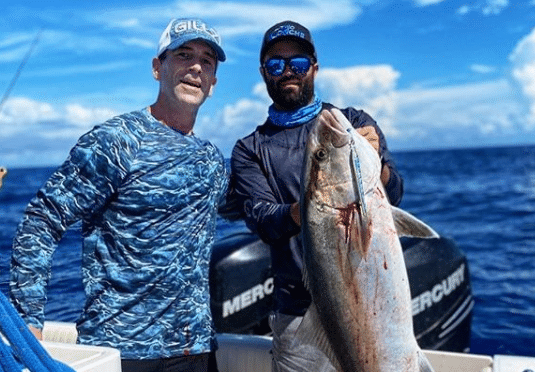
Live bait is a popular approach because greater amberjack feed on a variety of fish and other marine life. FWC identifies baits such as blue runners, pinfish, grunts, and cigar minnows among the options used by anglers.
The crew may position the boat near productive structure and present bait at a depth where amberjack are feeding. When a fish strikes, the fight can begin immediately.
Vertical Jigging for Amberjack
Vertical jigging uses weighted artificial lures worked through the water column. The movement can attract amberjack holding near wrecks or offshore structure.
This style of fishing can be especially appealing to anglers who enjoy active fishing rather than waiting for a bite. However, it can also be physically demanding, particularly when a powerful amberjack strikes.
The right technique depends on depth, current, bait availability, equipment, and the captain’s assessment of the fish.
When Is the Best Time for Amberjack Fishing in the Florida Keys?
Amberjack can be encountered around Florida Keys offshore structure at different times of year. However, the best time to plan an amberjack trip depends on two separate questions: when conditions are favorable for targeting them and when legal harvest is permitted.
Weather, water temperature, current, bait activity, and the availability of productive wrecks can all influence fishing opportunities.
For visitors planning a fall charter, current regulations deserve particular attention. Florida’s Gulf recreational greater amberjack harvest season for 2026 ran from September 1 through October 13 and is now closed. Atlantic waters operate under a different seasonal schedule.
Amberjack are not separately highlighted among the prime monthly species on the Two Conchs Florida Keys Fishing Calendar. However, the calendar is useful for comparing other available fishing opportunities when planning a reef, wreck, or offshore charter.
If amberjack are a priority, contact the crew before reserving your trip rather than choosing a month based only on a general fishing calendar.
How Long Should You Book for Amberjack Fishing?
Trip length matters because productive amberjack fishing often involves locating suitable wrecks or offshore structure and allowing enough time to fish them effectively.
Four-Hour Charters
A four-hour trip may offer reef or wreck fishing opportunities, depending on the departure point and nearby structure. However, a shorter charter may not provide enough time if amberjack are your primary target.
Six-Hour Charters
A six-hour charter is a reasonable starting point for visitors interested in reef and wreck fishing. Additional time gives the captain more flexibility to locate productive structure, work with changing current, and include other species if amberjack are not cooperating.
Eight-Hour and Longer Charters
An eight-hour charter may be a better choice for anglers who want additional offshore range or a more focused wreck and structure fishing experience.
Longer trips also provide opportunities to adjust the fishing plan if weather, current, or fish activity changes.
Before booking, explain whether your priority is fighting a greater amberjack or enjoying a mixed reef and wreck fishing trip. That distinction can help the crew recommend the most appropriate charter length.
Marathon vs. Key West: Where Should You Book an Amberjack Charter?
Both Marathon and Key West provide access to Florida Keys reef, wreck, and offshore fishing, although the available fishing grounds and charter options differ.
Marathon fishing charters are convenient for visitors staying in the Middle Keys, including Isla Bella, Key Colony Beach, Duck Key, and surrounding communities. Marathon offers access to Atlantic reef and wreck fishing as well as Gulf-side opportunities when conditions and trip arrangements support them.
Key West fishing charters are a convenient choice for visitors staying in Key West who want to plan a reef, wreck, or offshore fishing trip without traveling to another departure location.
Neither departure point guarantees better amberjack fishing on every date. The more useful question is which charter provides access to suitable structure during your available fishing time.
Greater Amberjack Regulations in the Florida Keys
Greater amberjack regulations differ between Gulf and Atlantic waters, making it important to confirm where your charter will be fishing.
For 2026, the Florida Fish and Wildlife Conservation Commission lists the following recreational greater amberjack regulations:
- Gulf waters: 34-inch minimum fork length, 1 fish per person, with a recreational season of September 1 through October 13, 2026.
- Atlantic waters: 28-inch minimum fork length, 1 fish per person, with an open season of January through March and May through December. April is closed.
These are the published 2026 rules and should not be assumed to apply unchanged in future years. Special management areas, boundary rules, and other requirements may also affect a particular trip.
Greater amberjack should not be confused with lesser amberjack, banded rudderfish, or almaco jack, which have different identification features and regulatory requirements.
Before keeping an amberjack, consult the FWC Amberjack Regulations and follow your captain’s guidance on identification, measurement, seasonal closures, and harvest limits.
Is Amberjack Fishing Suitable for Beginners?
Amberjack fishing can be an exciting experience for beginners, but guests should understand that these fish are strong and can be physically demanding to fight.
An experienced crew can explain the tackle, demonstrate proper rod positioning, and help anglers manage the pressure during a fight.
For families or groups with different experience levels, a mixed reef and wreck fishing trip may be more appropriate than making greater amberjack the only objective.
That way, experienced anglers can enjoy the possibility of a demanding fight while other guests have opportunities to target species that may be easier to handle.
Local Captain Insight: Planning an Amberjack Fishing Trip
One of the biggest considerations when targeting amberjack is choosing the right structure for the conditions. A wreck that produces fish on one day may be less productive when the current changes or baitfish move.
Captain Jack and the Two Conchs crew bring local Florida Keys fishing experience to these decisions. Evaluating current, depth, weather, bait activity, and the available fishing time helps determine whether a wreck-focused amberjack trip is realistic.
Because amberjack can hold above structure, the crew may also need to adjust bait presentation or lure depth rather than simply fishing the bottom. Knowing when to change tactics or move to another location is an important part of planning a productive charter.
Book Your Florida Keys Amberjack Fishing Charter
Interested in fishing for greater amberjack while visiting the Florida Keys? Start by sharing your travel dates, preferred departure location, group size, and fishing experience with Two Conchs.
Let the crew know whether your goal is to target amberjack specifically or include them as a possibility during a reef and wreck fishing charter. They can help you choose a suitable trip length and discuss seasonal regulations and expected conditions.
Explore the Two Conchs Charter FAQs or contact Two Conchs to discuss your trip.
Whether you are an experienced angler looking for a challenging fight or a visitor hoping to experience amberjack fishing in the Florida Keys for the first time, choosing the right wreck fishing charter can make all the difference.
Frequently Asked Questions
FAQ
Where can I catch amberjack in the Florida Keys?
Greater amberjack are commonly associated with offshore wrecks, rocky reefs, artificial structures, and similar underwater features. They often hold above the structure where baitfish gather.
What is the best type of charter for amberjack fishing?
Reef and wreck fishing charters are generally a good choice. A six-hour trip may provide useful flexibility, while an eight-hour charter may be better when additional range or more focused structure fishing is needed.
Are amberjack difficult to catch?
Greater amberjack are known for their powerful fights and ability to pull toward underwater structure. They can be challenging even for experienced anglers, although beginners can participate with assistance from the crew.
What bait works best for amberjack?
Live baitfish such as blue runners, pinfish, grunts, and cigar minnows are commonly used. Vertical jigs and other artificial lures can also be effective, depending on the conditions.
Can I keep amberjack caught in the Florida Keys?
Greater amberjack may be kept only when the applicable season is open and the fish meets current regulations. Gulf and Atlantic waters have different size limits and seasonal rules, so confirm current FWC requirements with your captain before harvesting a fish.
Is greater amberjack the same as almaco jack?
No. Greater amberjack and almaco jack are different species. They have similarities in appearance and habitat, but their identification features and fishing regulations are not identical.
Should I book a dedicated amberjack fishing charter?
If greater amberjack are your main priority, discuss a focused wreck fishing trip with the crew. Otherwise, a mixed reef and wreck charter can provide opportunities for amberjack alongside snapper, grouper, cobia, and other structure-associated fish.
Official Planning Sources
- FWC Amberjack Fishing Regulations
- FWC Greater Amberjack Species Profile
- FWC Reef Fish Gear Requirements
- FWC Fishing Boundaries and Management Zones
- National Weather Service Florida Keys Marine Forecast
- Two Conchs Florida Keys Fishing Calendar