TRIPLETAIL FISHING FLORIDA KEYS: WHERE TO LOOK & WHAT TO BOOK
Tripletail Fishing Florida Keys: Where to Look & What to Book
What if one of the most interesting fish on your Florida Keys charter was hiding beside a floating object you might otherwise pass without noticing? Tripletail fishing in the Florida Keys offers a different kind of experience, combining careful observation, accurate casting, and the excitement of hooking a powerful fish near the surface.
Unlike offshore species that are commonly targeted by trolling or reef fish that hold near the bottom, tripletail are often found around floating objects, buoys, and other structure. They can appear almost motionless in the water, resembling a leaf or piece of floating debris until they move to strike.
For visitors planning a charter from Marathon or Key West, tripletail are worth understanding because they may provide a memorable opportunity during the right type of fishing trip. Knowing where these fish gather, how anglers catch them, and what conditions matter can help you choose the right charter.
Quick Answer: Tripletail Fishing in the Florida Keys
- Where tripletail are found: Around floating objects, buoys, channel markers, and other structure in coastal and offshore waters.
- Fishing techniques: Sight-casting, live bait presentations, and light-tackle fishing.
- Seasonal opportunities: FWC identifies spring, summer, and fall as important periods for tripletail in Florida, although local conditions determine availability.
- Charter style: Inshore, nearshore, or mixed-species trips that allow the captain to search suitable floating structure.
- Trip length: A four- or six-hour charter may be suitable depending on the fishing grounds and the day’s conditions.
- Regulations: Florida currently requires an 18-inch minimum size and allows two tripletail per person per day.
Why Are Tripletail Such an Interesting Florida Keys Fish?
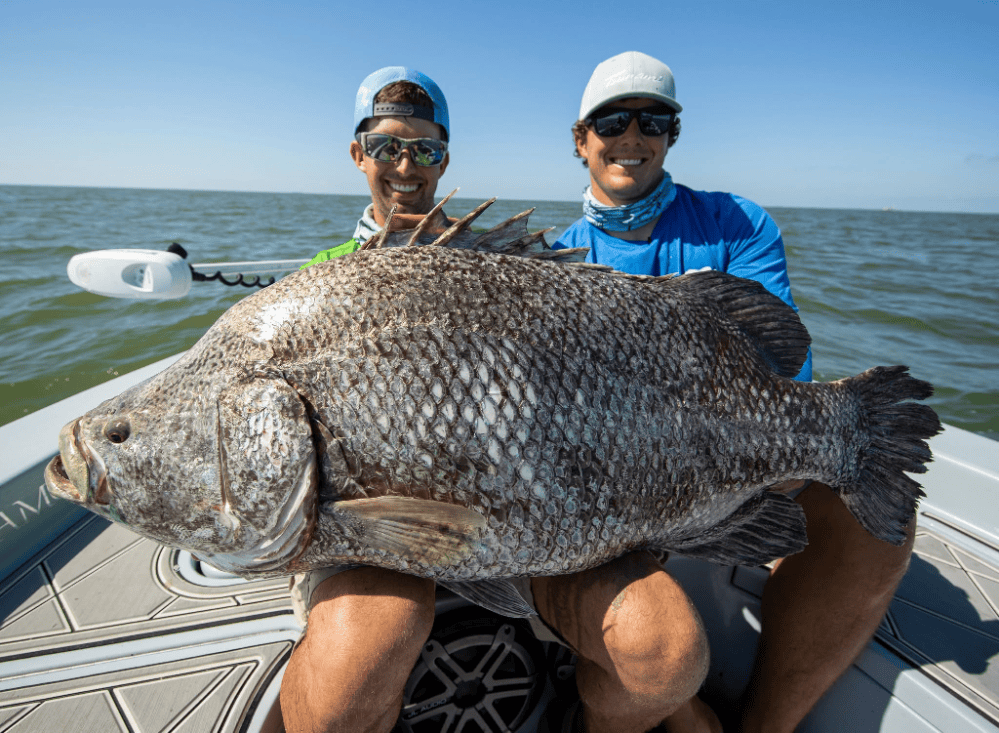
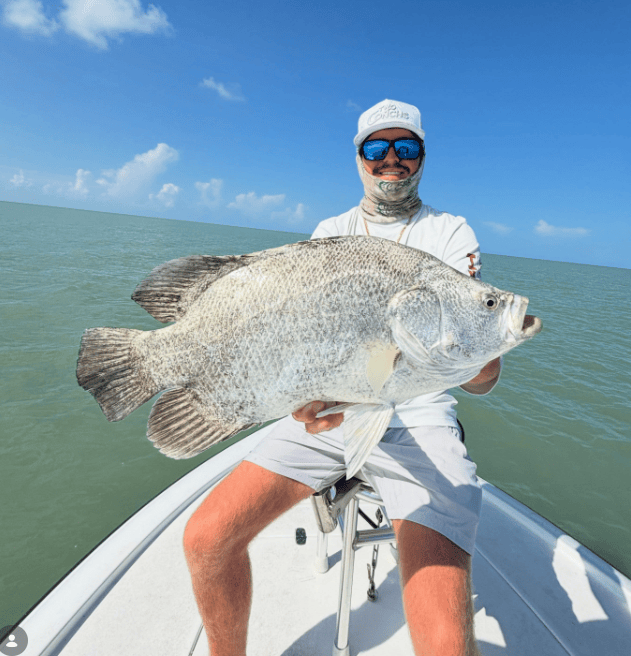
Tripletail are unusual-looking fish with broad, flattened bodies, mottled coloring, and rounded fins. Their name comes from the appearance of the dorsal, anal, and tail fins, which create the impression of three tails.
They are often brown, tan, or yellowish with darker markings that help them blend into their surroundings.
One of their most distinctive behaviors is their tendency to float near the surface, sometimes lying sideways beneath or beside an object. To someone passing by in a boat, a tripletail may initially resemble a drifting leaf.
That appearance can be deceiving. When hooked, tripletail are capable of strong runs and may quickly move toward nearby structure.
For anglers who enjoy fishing with lighter tackle, they offer an appealing combination of sight-fishing, accurate presentation, and a challenging fight.
Where Do Tripletail Gather Around the Florida Keys?
According to the Florida Fish and Wildlife Conservation Commission, tripletail inhabit waters ranging from bays and estuaries to offshore areas. They are particularly associated with floating objects, including buoys and channel markers.
Unlike species that require anglers to locate a particular reef or deep-water wreck, tripletail may be discovered by carefully observing objects near the surface.
Floating Buoys and Channel Markers
Tripletail may hold close to floating buoys or markers, where they can shelter beside the structure and feed on passing prey.
For the angler, the challenge is often spotting the fish before the boat gets too close. An abrupt approach can disturb the area and eliminate the opportunity for a careful cast.
Floating Debris and Weed Lines
Floating debris and patches of Sargassum can attract a variety of marine life, including small fish and crustaceans. Tripletail may use this floating material as cover.
These are also environments anglers might encounter while searching for mahi-mahi, although the two species behave differently.
Mahi-mahi frequently travel through open water and along floating weed lines. Tripletail may remain close to an individual object, making a careful sight-casting approach more appropriate than simply trolling past it.
Coastal and Nearshore Structure
Tripletail can also occur in coastal waters near other floating or fixed structures. Suitable locations depend on water conditions, food availability, seasonal movement, and whether the area can legally and safely be fished.
Not every buoy or floating object will hold a fish. The captain must evaluate the conditions and determine whether searching for tripletail makes sense for the charter.
How Do You Catch Tripletail?
One of the most enjoyable parts of tripletail fishing is that anglers may actually see the fish before making a cast.
Rather than waiting for an unseen fish to strike a trolling lure, the crew may identify a tripletail near floating structure and position the boat for an appropriate presentation.
Sight-Casting to Tripletail
When a tripletail is visible near the surface, accurate casting becomes important.
The goal is to present the bait naturally without landing directly on top of the fish or disturbing the structure where it is holding.
Because tripletail can remain surprisingly still, a careful approach may give anglers time to observe the fish and prepare the cast.
For visitors who enjoy participating in the fishing process, this can be particularly rewarding.
Live Shrimp and Natural Bait
Live shrimp are a popular bait for tripletail. Small baitfish can also be effective depending on what the fish are feeding on.
The presentation may involve allowing the bait to move naturally near the fish rather than retrieving it quickly.
Tripletail are opportunistic feeders, but a visible fish will not always strike. The captain may recommend changing the presentation or moving on to another opportunity.
Light-Tackle Fishing
Tripletail can provide an exciting fight on light or medium spinning tackle.
They are strong fish and may try to return toward floating structure after being hooked. Maintaining the right pressure and following the crew’s instructions helps reduce the chance of losing the fish.
For anglers accustomed to traditional bottom fishing, this is a very different experience. The fishing often begins with finding the fish and making one well-placed cast.
When Is the Best Time for Tripletail Fishing in the Florida Keys?
 FWC identifies spring, summer, and fall as important periods for tripletail in Florida. However, that statewide seasonal guidance does not establish a guaranteed peak month specifically for Marathon or Key West.
Local water conditions, floating structure, bait movement, and weather can all influence tripletail opportunities.
The Two Conchs Florida Keys Fishing Calendar does not currently list tripletail among its monthly prime species. That makes it especially important to discuss this fish with the crew before booking a dedicated trip.
Visitors traveling in spring or summer may already be considering offshore charters for mahi-mahi, tuna, or other species. Tripletail could be worth asking about as an additional opportunity when the fishing area and conditions are appropriate.
Fall visitors can also discuss whether local tripletail opportunities are practical during their travel dates.
Remember that the best trip is not always determined by the calendar alone. Wind, visibility, water conditions, and the ability to locate fish near suitable structure all influence the day’s possibilities.
Can You Catch Tripletail on a Mahi-Mahi Charter?
Tripletail and mahi-mahi sometimes occupy waters with floating objects or weed lines, but they should not be treated as interchangeable targets.
Mahi-mahi charters often focus on trolling, finding feeding birds, locating offshore current edges, and covering productive water.
Tripletail fishing may require a slower, more deliberate approach when a fish is spotted near floating structure.
Two Conchs has included tripletail among the additional prize categories associated with its Marathon Offshore Bull & Cow Dolphin Tournament. Tournament categories and rules can change, so anglers planning around an event should check the current tournament information.
For recreational charter guests, this connection highlights the possibility of encountering different species during offshore fishing. However, it does not mean every mahi-mahi charter is equipped or planned to target tripletail specifically.
If tripletail are important to your group, mention that before selecting your charter.
What Charter Length Is Best for Tripletail Fishing?
The best charter length depends on whether tripletail are your main goal or simply a species you would enjoy catching if the opportunity develops.
Four-Hour Charters
A four-hour charter may work when suitable fishing areas are reasonably close to the departure point and conditions favor a shorter trip.
This can be an appealing option for visitors who enjoy light-tackle fishing and want time on the water without committing to a full-day trip.
Six-Hour Charters
A six-hour charter provides additional flexibility to search different areas, adjust to changing conditions, or include other species if tripletail are not available.
For visitors interested in a mixed nearshore or offshore fishing experience, this can provide a useful balance between fishing time and trip length.
Full-Day Charters
A full-day charter may be appropriate when tripletail are one part of a broader fishing plan that includes mahi-mahi, cobia, or other species.
However, a longer charter is not automatically better for tripletail. The most useful choice is the trip that provides access to the right fishing grounds under suitable conditions.
Marathon vs. Key West for Tripletail Fishing
Marathon fishing charters provide access to Middle Keys inshore, nearshore, Gulf, and offshore fishing options. Marathon is a practical departure point for visitors staying around Isla Bella, Duck Key, Key Colony Beach, and nearby areas.
Key West fishing charters provide another option for visitors interested in inshore and offshore fishing experiences.
Tripletail are not limited to one type of habitat, so choosing between Marathon and Key West should depend on where you are staying, which boats are available, and whether the crew recommends a suitable fishing plan for your dates.
Rather than assuming one departure location is always better, ask whether the charter can accommodate the kind of sight-fishing or mixed-species experience you want.
Can You Keep Tripletail in the Florida Keys?
Tripletail are considered a desirable food fish, but harvest is subject to Florida fishing regulations.
FWC currently lists the following recreational tripletail regulations for Gulf and Atlantic waters:
- Minimum size: 18 inches.
- Daily bag limit: Two fish per person.
- Season: Open year-round.
- Legal gear: Hook-and-line fishing only. Spearing and nets are not permitted.
- Additional restrictions: Snatching is prohibited, and multiple hooks cannot be used in conjunction with live or dead natural bait for harvest.
FWC states that the recreational state regulations also apply in federal waters. Special regulations may apply in Biscayne National Park.
Always check the FWC Tripletail Regulations before your charter and follow the captain’s guidance on legal harvest, measuring fish, and proper handling.
Local Captain Insight: Why Spotting the Fish Matters
Tripletail fishing often begins long before anyone makes a cast. The first challenge is recognizing that a dark shape beside a floating object may actually be a fish.
Water clarity, sunlight, wind-driven surface disturbance, and boat positioning can all affect visibility. The captain must also decide whether approaching the object is safe and whether the fishing area is suitable.
Captain Jack and the Two Conchs team bring Florida Keys fishing experience to charter planning across inshore, reef, wreck, and offshore environments.
For visitors interested in tripletail, discussing the species with the crew before booking is the best way to determine whether a suitable fishing opportunity may fit your dates and preferred charter style.
A well-planned trip should leave room to target other species when tripletail are not visible or the conditions are not favorable.
Book Your Florida Keys Tripletail Fishing Charter
Interested in the challenge of spotting and casting to tripletail near floating structure? Tell the Two Conchs crew what kind of fishing experience you want and whether tripletail are your main interest or an additional target.
Share your travel dates, preferred departure location, group size, and experience level. The crew can help you determine which charter options are most appropriate for the conditions and species you want to pursue.
Review the Two Conchs Charter FAQs or contact Two Conchs before booking.
For anglers interested in tripletail fishing in the Florida Keys, the appeal is the opportunity to discover an unusual fish in an unexpected place, make a carefully placed cast, and enjoy a challenging fight on the water.
Frequently Asked Questions
FAQ
Where can I find tripletail in the Florida Keys?
Tripletail may be found around floating objects, buoys, channel markers, and other structure in coastal and offshore waters. Their presence depends on the season, water conditions, and available habitat.
When is the best time to catch tripletail in the Florida Keys?
FWC identifies spring, summer, and fall as important periods for tripletail in Florida. However, opportunities around Marathon and Key West depend on local conditions, so discuss tripletail availability with the crew before booking.
What bait works best for tripletail?
Live shrimp and small baitfish are popular options. When a tripletail is visible near floating structure, careful bait presentation and accurate casting can be particularly important.
Is tripletail fishing good for beginners?
Tripletail fishing can be suitable for beginners who enjoy light-tackle fishing and learning how to cast toward visible fish. The crew can assist with tackle and presentation, although locating a feeding tripletail may require patience.
Can you catch tripletail while fishing for mahi-mahi?
Sometimes. Tripletail may be encountered near floating objects and weed lines where anglers also search for mahi-mahi. However, the techniques are different, so ask the crew whether tripletail can be included in your charter plans.
Can I keep tripletail caught in the Florida Keys?
Yes, when current regulations are met. FWC currently lists an 18-inch minimum size, a two-fish-per-person daily bag limit, and an open year-round season. Always confirm current requirements before harvesting fish.
Should I book a tripletail-only charter?
That depends on current fishing opportunities. Tripletail can be unpredictable, so many visitors may benefit from a mixed-species charter that allows the captain to pursue other fish when suitable tripletail opportunities are unavailable.
Official Planning Sources
- FWC Tripletail Recreational Regulations
- FWC Tripletail Species Profile
- Florida Museum Tripletail Species Information
- National Weather Service Florida Keys Marine Forecast
- Two Conchs Florida Keys Fishing Calendar