
MARLIN FISHING FLORIDA KEYS: BLUE VS. WHITE MARLIN & WHAT TO BOOK
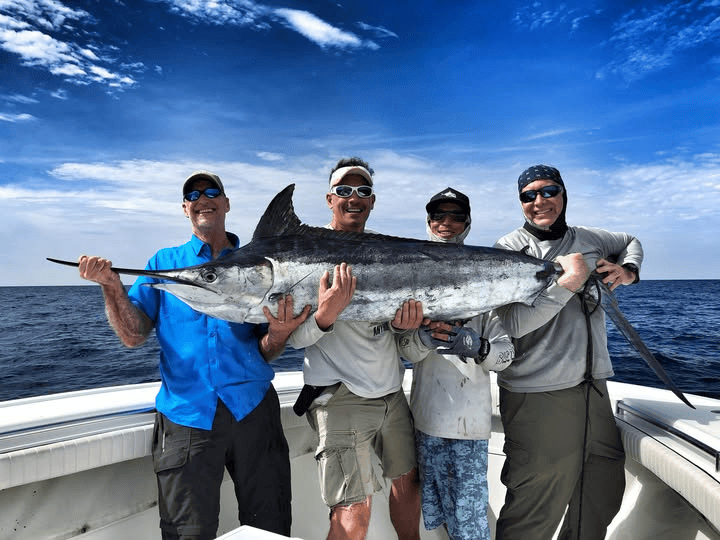
Marlin Fishing Florida Keys: Blue vs. White Marlin & What to Book
Have you ever imagined watching a marlin explode from the water at the end of your fishing line? For offshore anglers, few experiences compare to the power and excitement of encountering one of these remarkable billfish. Marlin fishing in the Florida Keys offers the possibility of encountering blue marlin or white marlin in the warm offshore waters surrounding Marathon and Key West.
Marlin are different from many of the species commonly targeted on Florida Keys charters. They are large, powerful, highly migratory fish that travel through offshore waters in search of prey. Finding one requires patience, the right conditions, appropriate equipment, and an experienced captain who knows how to identify promising fishing areas.
Whether you are hoping to catch your first billfish or planning a serious offshore fishing trip, understanding the differences between blue and white marlin can help you make better booking decisions.
Quick Answer: Marlin Fishing in the Florida Keys
- Species: Blue marlin and white marlin are both possible offshore encounters, although blue marlin are more prominently associated with Florida Keys big-game fishing.
- Seasonal planning: Summer offers opportunities to ask about blue marlin, but no month guarantees an encounter.
- Fishing style: Offshore trolling with artificial lures, rigged baits, or natural bait presentations.
- Recommended trip length: A full-day offshore charter, generally eight hours or longer, is a stronger choice for a marlin-focused trip.
- Departure locations: Marathon and Key West both provide access to Atlantic offshore fishing grounds.
- Important considerations: Weather, offshore currents, baitfish, suitable fishing equipment, federal permits, and responsible catch-and-release practices.
Blue Marlin vs. White Marlin: What’s the Difference?
Blue marlin and white marlin belong to the billfish family, but they differ considerably in size, appearance, and typical offshore encounters.
Blue Marlin: The Larger Big-Game Target
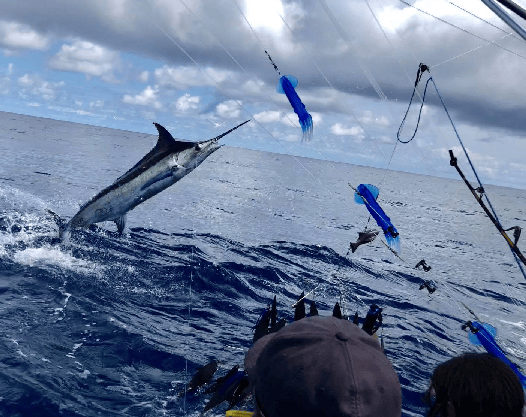 Blue marlin are among the most recognizable offshore game fish. Their powerful bodies, long bills, and impressive size have made them a prized catch among big-game anglers.
Blue marlin typically have dark blue backs, silvery lower bodies, and distinctive dorsal fins. They are capable of reaching exceptional size, with large females growing considerably bigger than males.
These fish feed on tuna, other pelagic fish, and squid. They inhabit tropical and subtropical offshore waters and are associated with warm-water environments where prey is available.
For Florida Keys anglers, encountering a blue marlin is often the highlight of an offshore trip. A powerful strike followed by a long run or a series of jumps can create an extraordinary fishing experience.
White Marlin: Smaller but Still Powerful
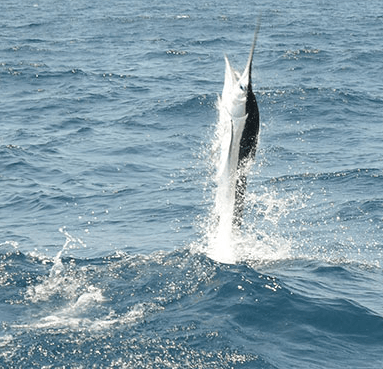 White marlin are generally smaller and more slender than blue marlin, but they are still fast, powerful fish that can challenge experienced anglers.
White marlin have a more rounded leading edge on the first dorsal fin, distinguishing them from the pointed dorsal-fin profile of a blue marlin. Proper identification also requires distinguishing white marlin from similar billfish, including roundscale spearfish.
While white marlin are a recognized Atlantic sportfishing species, visitors should not assume they are equally common or dependable targets around the Florida Keys.
If your main goal is catching a marlin, discuss realistic species opportunities with the crew instead of expecting both types to be available during every trip.
When Is the Best Time for Marlin Fishing in the Florida Keys?
Summer is a worthwhile period to discuss blue marlin opportunities in the Florida Keys. Warmer offshore waters, pelagic baitfish activity, and seasonal offshore fishing patterns can create favorable conditions for big-game fishing.
Two Conchs identifies summer blue marlin possibilities in its Marathon charter fishing information. However, marlin are not listed as a separate prime monthly species in the Two Conchs Fishing Calendar.
That distinction is important. Unlike a seasonal fishery with a more predictable run, marlin fishing can depend on finding individual fish moving through suitable offshore water.
For visitors planning a summer trip, the same general offshore waters may offer opportunities for mahi-mahi, tuna, wahoo, and other pelagic species.
Use the Two Conchs Florida Keys Fishing Calendar to explore the broader offshore fishing opportunities available during your stay. If marlin are your priority, contact the crew to discuss current conditions and realistic expectations.
Where Do Marlin Live Around the Florida Keys?
Marlin are open-water predators. Unlike grouper or snapper, which are commonly associated with reefs and bottom structure, marlin spend much of their time moving through the offshore water column.
Productive fishing areas may include:
- Offshore current edges where different water masses meet.
- Areas where baitfish are concentrated.
- Deep Atlantic waters beyond the reef.
- Water-temperature changes and offshore fronts.
- Areas with active pelagic fish or signs of feeding activity.
Floating debris, birds, baitfish, and surface activity may help identify promising offshore water, although these signs do not guarantee marlin will be present.
The important part of a marlin fishing plan is finding suitable conditions and covering productive water efficiently. A captain may need to adjust the fishing area throughout the day as currents and baitfish movement change.
How Are Marlin Caught on Florida Keys Fishing Charters?
Offshore trolling is one of the primary methods used to target marlin. Rather than anchoring over a reef, the boat moves through selected offshore areas while pulling baits or artificial lures behind it.
Trolling Artificial Lures
Artificial trolling lures are designed to create movement and disturbance that can attract a marlin’s attention.
Different lure sizes, colors, positions, and trolling speeds may be used depending on conditions and the intended target.
Blue marlin are particularly associated with offshore lure trolling, although the captain may choose other presentations when appropriate.
Natural Baits and Teasers
Rigged natural baits and teaser setups can also be part of a marlin fishing strategy.
Teasers are used to attract fish toward the boat, where anglers may then have an opportunity to present a suitable bait.
The equipment and techniques used depend on the boat, fishing conditions, and whether the crew is targeting marlin specifically or pursuing several offshore species.
What Happens When a Marlin Strikes?
A marlin strike can happen suddenly after a long period of searching.
When a fish takes a lure or bait, the crew must coordinate the hookup, manage the remaining lines, and position the boat to help the angler fight the fish.
Marlin may make long runs, change direction, or jump repeatedly. The fight requires communication between the angler and captain, especially when dealing with a large blue marlin.
This is one reason a marlin-focused charter benefits from an experienced offshore crew and equipment suited to larger game fish.
Marlin vs. Sailfish vs. Swordfish: Which Charter Should You Book?
Marlin, sailfish, and swordfish are all billfish, but they are generally targeted in different ways.
Marlin Fishing
Marlin fishing usually involves offshore trolling and searching open water for large pelagic predators. For many visitors, it is a big-game experience where the chance of encountering one exceptional fish is the main attraction.
Sailfish Fishing
Sailfish are a popular Florida Keys billfish target, particularly during the cooler months. They are famous for their tall dorsal fins, spectacular jumps, and fast-paced fights.
Visitors specifically interested in winter billfish fishing can also read our Florida Keys Sailfish Season Guide.
Daytime Swordfishing
Daytime swordfishing is a specialized deep-water technique. Rather than trolling near the surface for marlin, crews may use heavy tackle and deep-drop equipment to present bait far below the boat.
Our Daytime Swordfishing Florida Keys Guide explains how these trips work and what visitors should consider before booking.
If your dream is to catch a blue marlin, make sure you request an offshore trolling or big-game charter rather than assuming every billfish trip targets the same species.
How Long Should You Book for a Marlin Fishing Charter?
Marlin fishing is generally better suited to a full-day offshore charter than a shorter trip.
An eight-hour trip gives the captain more time to travel to offshore fishing grounds, locate productive water, and work through changing conditions. Depending on the boat and the intended destination, an extended full-day charter may offer additional flexibility.
A shorter offshore charter can still produce exciting fish such as mahi-mahi, wahoo, or tuna, but it may offer limited time to pursue a specialized marlin objective.
If marlin are your primary goal, ask Two Conchs about:
- The offshore boats available for your dates.
- Whether the trip can be planned around a marlin-focused approach.
- The recommended charter length for current offshore conditions.
- What alternative species may be targeted if marlin are not encountered.
- What weather conditions could affect the trip.
For anglers booking a marlin trip, choosing the appropriate boat and allowing adequate fishing time matters more than simply selecting the shortest available offshore charter.
Marathon vs. Key West for Marlin Fishing
Marathon fishing charters provide a convenient departure point for visitors staying in the Middle Keys. Marathon offers access to offshore Atlantic fishing grounds where crews may target mahi-mahi, tuna, wahoo, sailfish, and occasionally marlin.
Key West fishing charters are convenient for visitors staying on the island and interested in offshore sportfishing.
Both locations can provide opportunities for big-game fishing, but the best departure depends on the available boat, planned fishing area, weather, and distance to productive offshore water.
For a marlin-focused trip, confirm the crew’s offshore fishing approach and available equipment before deciding which departure location works best.
Can You Keep a Blue or White Marlin in Florida?
Marlin are primarily valued as sportfish, and responsible catch-and-release practices are strongly encouraged.
Federal Atlantic regulations establish minimum sizes and other requirements for recreational billfish retention. NOAA Fisheries currently lists:
- Blue marlin: 99 inches minimum lower-jaw fork length.
- White marlin: 66 inches minimum lower-jaw fork length.
Atlantic blue marlin, white marlin, and roundscale spearfish are also subject to a combined annual U.S. recreational landings limit. Florida state-water rules and additional federal requirements must be considered separately.
For vessels fishing recreationally for Atlantic billfish in federal waters, an appropriate federal Highly Migratory Species permit is required. Charter vessels generally use the HMS Charter/Headboat permit. Certain billfish landings must also be reported to NOAA within 24 hours after returning from a trip.
When a marlin is being released, applicable federal regulations require releasing it without removing it from the water. The crew should use appropriate dehooking or line-cutting methods and minimize additional stress.
For most recreational charter guests, the focus should be on the fishing experience and a successful release rather than bringing a marlin back to the dock.
Check the NOAA Recreational Atlantic Billfish Regulations and FWC Billfish Regulations before your trip.
Local Captain Insight: What Makes a Good Marlin Fishing Day?
Marlin fishing is not simply a matter of running offshore and putting several trolling lines in the water. The captain must consider sea conditions, currents, offshore temperature changes, baitfish movement, fishing time, and whether the available boat is properly equipped for big-game fishing.
Captain Jack and the Two Conchs crew bring extensive Florida Keys fishing experience to offshore charter planning. Their local knowledge helps guests evaluate which fishing opportunities make sense for their travel dates and whether a more specialized marlin approach is realistic.
One important consideration is the difference between a dedicated marlin trip and a general offshore charter. A trip focused on marlin may involve more time searching for a limited number of opportunities. A mixed offshore trip may instead concentrate on mahi-mahi, tuna, wahoo, or other actively feeding species while keeping marlin encounters as a possibility.
Discussing that distinction before booking helps the crew recommend a fishing plan that matches your expectations.
Book Your Florida Keys Marlin Fishing Charter with Two Conchs
Planning an offshore fishing trip from Marathon or Key West? Tell the Two Conchs crew whether your primary interest is blue marlin, white marlin, or a broader offshore fishing experience.
Include your preferred dates, departure location, group size, and fishing experience. The crew can help you explore available boats, trip lengths, and realistic offshore fishing options.
You can also review the Two Conchs Charter FAQs or contact Two Conchs to discuss your next fishing trip.
If marlin fishing in the Florida Keys is on your wish list, start by choosing the right offshore charter and allowing enough time for the captain to pursue the best available opportunities. Even when marlin are not encountered, a well-planned offshore trip can offer exciting possibilities for other Florida Keys game fish.
Frequently Asked Questions
FAQ
Can you catch blue marlin in the Florida Keys?
Yes. Blue marlin are possible offshore around the Florida Keys, particularly when suitable warm-water conditions and baitfish activity are present. However, they are not guaranteed and should be considered a specialized big-game fishing target.
When is the best time to fish for marlin in the Florida Keys?
Summer is a worthwhile period to discuss blue marlin opportunities, but there is no guaranteed peak month. Offshore conditions, water temperature, baitfish movement, and the captain’s assessment all influence the fishing plan.
Are blue marlin and white marlin the same fish?
No. Blue marlin and white marlin are different billfish species. Blue marlin generally grow much larger, while white marlin are smaller and have different dorsal-fin and body characteristics.
What type of charter should I book for marlin fishing?
A full-day offshore or big-game fishing charter is usually the better choice. Ask the crew whether the available boat and fishing plan are suitable for targeting marlin rather than assuming every offshore trip is marlin-focused.
How long does a marlin fishing charter take?
Eight hours or longer is a reasonable starting point for a marlin-focused offshore trip. The captain may recommend additional time depending on the available fishing grounds, weather, and intended strategy.
Is marlin fishing better from Marathon or Key West?
Both locations offer offshore fishing access. The better departure depends on the available charter boat, offshore fishing conditions, travel distance to productive water, and where your group is staying.
Do marlin have to be released?
Marlin are commonly released after being caught. Limited recreational retention may be legally permitted under applicable size, permit, reporting, and annual landings requirements. Released marlin must remain in the water under federal rules, and responsible release practices are important.
What is the difference between marlin fishing and swordfishing?
Marlin are commonly targeted by offshore trolling, while daytime swordfishing usually involves specialized deep-drop techniques. Both are billfish experiences, but the fishing methods, equipment, and trip planning are substantially different.
Official Planning Sources
- NOAA Recreational Atlantic Billfish Regulations
- NOAA Highly Migratory Species Reporting Requirements
- FWC Billfish, Tuna and Swordfish Regulations
- NOAA Catch-and-Release Best Practices
- National Weather Service Florida Keys Marine Forecast
- Two Conchs Florida Keys Fishing Calendar