
REEF AND WRECK FISHING IN MARATHON: CAN YOU FISH BOTH ON ONE CHARTER?
Reef and Wreck Fishing in Marathon: Can You Fish Both on One Charter?
Want to catch a variety of Florida Keys fish without spending your entire charter trolling offshore? Reef and wreck fishing in Marathon, Florida, gives you the opportunity to explore two productive types of underwater structure, with the possibility of targeting different species on the same fishing trip.
But can you actually fish both a reef and a wreck during one charter? Yes, when the trip length, fishing locations, weather, and conditions allow it. Two Conchs offers Marathon reef, bay, and wreck charter options designed around this type of fishing.
Understanding how the two experiences differ will help you choose a trip that matches your group, whether you’re a first-time angler, a family visiting the Florida Keys, or an experienced fisherman interested in bottom fishing and powerful reef predators.
Can You Combine Reef and Wreck Fishing on One Marathon Charter?
Yes. A combined reef and wreck fishing trip is possible in Marathon when conditions and the available charter time allow. A captain may begin at a reef, then move to a wreck or another structure where different fish may be feeding.
However, combining both locations isn’t automatically the best plan every day. Sometimes the fish are actively feeding on the reef, making it more productive to stay there. On another day, a wreck may provide better opportunities for the species your group wants to catch.
The advantage of booking a flexible charter is that the captain can evaluate the conditions and select appropriate fishing grounds rather than following a rigid itinerary.
Ready to experience reef and wreck fishing in the Florida Keys? Explore Two Conchs Marathon fishing charters and find the right trip for your group.
If combining reef and wreck fishing is your goal, mention it before booking so the crew can recommend the appropriate trip length and boat.
What’s the Difference Between Reef Fishing and Wreck Fishing?
Both styles involve fishing around underwater structure, but the habitat, techniques, and types of fish encountered can be different.
Reef Fishing: Snapper, Grouper, and Mixed-Species Action
Florida Keys reefs and surrounding hard-bottom areas create habitat for an extraordinary range of marine life. Fish gather around ledges, coral structure, rocky bottom, and areas where current carries food.
Reef fishing commonly involves anchoring or drifting in suitable fishing areas and presenting bait at the depths where fish are feeding. The captain may use chum where appropriate or adjust the bait presentation to reach fish holding near the bottom or higher in the water.
Depending on the season, location, and regulations, possible species include:
- Yellowtail snapper: A familiar Florida Keys reef fish that can provide enjoyable action on lighter tackle.
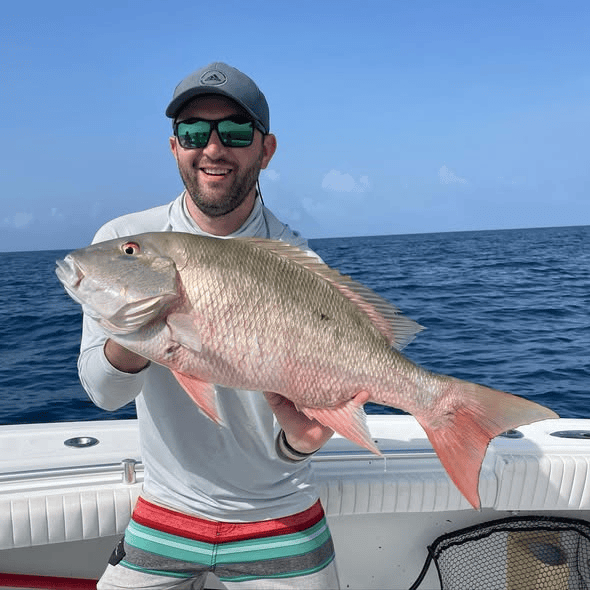
- Mutton snapper: A prized snapper often associated with reef edges, hard bottom, and nearby structure.
- Mangrove snapper: Also called gray snapper, a versatile species found around reefs and other structure.
- Grouper: Powerful bottom-oriented fish whose availability for harvest depends on species-specific regulations and seasons.
- Kingfish and other seasonal species: Additional possibilities around reef edges when conditions are favorable.
For families and groups with different fishing experience levels, a mixed reef trip can be an appealing choice because the crew may be able to adapt tackle and techniques to the anglers aboard.
Reef fishing can be productive, but no species or number of fish is guaranteed.
Wreck Fishing: Bigger Structure and Powerful Fish
Wreck fishing focuses on submerged vessels, artificial reefs, and other substantial underwater structures that attract fish.
These structures provide shelter for smaller fish and feeding opportunities for larger predators. Depending on the location and conditions, wreck fishing may involve live bait, bottom rigs, vertical jigging, or other presentations suited to the structure and target species.
Possible wreck-associated species include:
- Amberjack: Strong, determined fighters that often hold around wrecks and elevated structure.
- Cobia: Fish that may gather around wrecks and other structure during suitable seasonal conditions.
- African pompano: A desirable target associated with certain deeper structures and wrecks.
- Mutton snapper and grouper: Bottom-fishing opportunities that vary with habitat, depth, and regulations.
- Other visiting predators: Additional species may move through productive wreck areas depending on conditions.
Wreck fishing can involve heavier tackle and stronger fish, although not every wreck is deep or requires the same equipment.
Because large fish may try to return to the structure after being hooked, the crew’s guidance on maintaining line pressure and controlling the fish can be particularly important.
Reef vs. Wreck Fishing: Which Should You Choose?
The best choice depends on what your group wants from its day on the water.
| Your Fishing Goal | Charter Approach to Discuss |
|---|---|
| Enjoy mixed-species fishing with family or beginners | A reef-focused trip with tackle and techniques suited to the group |
| Target snapper and other traditional Florida Keys reef fish | Reef fishing around appropriate hard-bottom areas |
| Look for strong-fighting amberjack or other wreck-associated fish | A wreck-focused trip when season, conditions, and fishing grounds align |
| Experience both types of structure | A six-hour or eight-hour reef-and-wreck plan, when practical |
| Let the crew follow the best fishing opportunities | A flexible mixed-species reef, bay, and wreck charter |
You don’t necessarily need to decide exactly which fish you want to catch before booking. Instead, tell the captain whether you prefer frequent action, a chance at larger fish, or a combination of different fishing experiences.
That information helps the crew recommend a realistic plan.
How Does a Combined Reef and Wreck Fishing Trip Work?
A combined trip doesn’t have to follow a fixed order. The captain may choose to fish a reef first, visit a wreck first, or spend the entire charter at the most suitable type of structure.
Here’s how the decision might unfold.
1. Evaluate the Weather and Fishing Conditions
Wind, wave height, current, water clarity, and the location of suitable fishing grounds influence the plan.
A particular wreck may require a longer run or be less practical when conditions are rough. Another fishing area may offer a more comfortable and productive alternative.
2. Choose the First Fishing Location
The captain considers recent fishing activity, the species being targeted, and how the group wants to spend the day.
If reef fishing is producing good opportunities for snapper, it may make sense to remain there rather than use valuable charter time traveling between locations.
If the goal involves amberjack, cobia, or another wreck-associated species, the crew may prioritize suitable wreck structure instead.
3. Adjust the Techniques
The crew may use different tackle and bait presentations depending on the structure.
Reef fishing might involve chumming and lighter presentations for snapper, while fishing around a wreck could involve heavier bottom tackle, live bait, or vertical jigs.
These adjustments are part of what makes a mixed reef-and-wreck charter interesting. The fishing can change significantly as the boat moves from one location to another.
4. Decide Whether Moving Will Improve the Day
Traveling to another fishing location takes time. If the bite is good, staying in one place may be the better choice.
On the other hand, if conditions change or one area is unproductive, having sufficient charter time gives the captain more options.
The goal isn’t simply to visit two locations. It’s to make the best use of your fishing time.
Is a Six-Hour or Eight-Hour Charter Better?
For visitors interested in combining reef and wreck fishing around Marathon, the amount of time available can make a meaningful difference.
Six-Hour Reef and Wreck Fishing Charter
A six-hour charter provides enough time for a focused fishing plan with some flexibility to change locations when appropriate.
This can be a good choice for guests who want more fishing time than a short outing but don’t necessarily need a full day on the water.
Two Conchs lists six-hour, three-quarter-day Reef | Bay | Wreck options among its Marathon charter offerings.
However, the time spent traveling between fishing grounds affects how many locations can reasonably be included.
Eight-Hour Reef and Wreck Fishing Charter
An eight-hour charter offers more flexibility for groups interested in exploring additional structure, trying different fishing techniques, or allowing extra time to reach particular wrecks.
It may be a better fit for anglers who want to prioritize wreck fishing while keeping reef opportunities available.
Two Conchs also offers eight-hour Full Day Reef | Bay | Wreck charter options in Marathon.
Our recommendation: If you specifically want to experience both reef and wreck fishing, start by discussing a six-hour or eight-hour trip with the crew. The right choice depends on the fishing grounds, available vessel, group experience, and conditions during your visit.
Explore Two Conchs Marathon fishing charters to find a boat and trip style that matches your plans.
 When Is Reef and Wreck Fishing Best in Marathon?
Reef and wreck fishing are available as charter styles throughout the year, but the fish, conditions, and best locations change with the seasons.
During cooler months, reef fishing can offer opportunities for snapper and other structure-associated species, while certain wreck areas may attract cobia, kingfish, and other seasonal visitors.
Spring often brings changing conditions and additional fishing variety as water temperatures shift.
Summer can provide opportunities for reef and bottom fishing, although weather, species behavior, and harvest regulations continue to determine what is practical.
Fall brings another transition in fishing patterns, with changing temperatures and the return or movement of certain species around offshore structure.
For species-specific seasonal guidance, consult the Two Conchs Florida Keys Fishing Calendar. It highlights the fishing opportunities associated with different months, including snapper, grouper, cobia, African pompano, amberjack, and other species that may be relevant to reef and wreck fishing.
The best approach is to select your travel dates and ask the crew which type of fishing offers suitable opportunities during that period.
Can Beginners and Families Enjoy Reef and Wreck Fishing?
Yes. Reef and wreck fishing can accommodate different experience levels when the crew selects appropriate fishing grounds and techniques.
For beginners, reef fishing can provide an introduction to bait presentation, feeling a strike, setting the hook when appropriate, and learning how to reel in different types of fish.
Experienced anglers may enjoy the challenge of targeting snapper or grouper around structure, adjusting to changing currents, or pursuing stronger fish associated with wrecks.
For families with younger children, the best plan may be to focus on accessible fishing areas and manageable tackle rather than pursuing the largest possible fish.
Keep in mind that reef and wreck fishing takes place in open water, and sea conditions can vary. If anyone in your group is concerned about motion sickness or spending a full day aboard a boat, discuss that before booking.
Can You Keep Fish Caught on a Reef or Wreck Charter?
Many visitors enjoy the possibility of taking home fresh fish from their charter, but not every species can legally be harvested throughout the year.
Snapper and grouper regulations vary by species, location, season, size, and applicable bag limits. Atlantic and Gulf regulations can differ, and special rules apply to certain Florida Keys waters.
For example, some grouper species have seasonal harvest closures even when anglers can still encounter them while fishing.
Florida Keys National Marine Sanctuary regulations also protect designated areas where fishing is restricted or prohibited. A reef being visible or accessible by boat does not automatically mean fishing is permitted there.
The Two Conchs crew can explain what may be legally retained during your charter and help with proper handling and release when necessary.
For current information, review the FWC Snapper Regulations, FWC Grouper Regulations, and Florida Keys National Marine Sanctuary Regulations.
Local Captain Insight: Why Flexibility Matters More Than a Fixed Itinerary
Reef and wreck fishing rewards local knowledge because two productive fishing locations can behave very differently on the same day.
Current may make one location difficult to fish effectively, while another offers better bait movement and feeding activity. Some fish may hold close to the bottom, while others gather above structure or move through the surrounding water.
Knowing when to stay, when to move, and which fishing technique to use is an important part of a successful charter plan.
Fishing knowledge runs through three generations of the Carlson family. Captain Jack Carlson and his sons—Austin, Tucker, and JC—bring specialized experience in everything from inshore tarpon fishing to offshore tournaments and deepwater adventures. Learn more about the family’s fishing heritage on our Generations on the Water page.
That depth of local fishing experience helps shape the range of reef, wreck, bay, and offshore experiences available through Two Conchs.
If you want to combine different fishing styles, tell the crew your priorities rather than expecting a rigid schedule. The best fishing plan is the one that fits the conditions, the vessel, and the anglers aboard.
Book A Marathon Reef and Wreck Fishing Charter
Ready to explore some of the Florida Keys’ most interesting underwater fishing grounds?
Two Conchs offers Marathon fishing charters for anglers interested in reef fishing, wreck fishing, bottom fishing, and mixed-species experiences.
When contacting the crew, let them know:
- Whether your priority is snapper, grouper, amberjack, cobia, or general mixed-species fishing.
- Whether you’d like to combine reef and wreck fishing if conditions allow.
- How many people are fishing and their experience levels.
- Whether you prefer a six-hour or eight-hour charter.
- Your travel dates and any special considerations for your group.
Visit Two Conchs Marathon Fishing Charters to explore available vessels, or review the Marathon Reef | Bay | Wreck charter options for trip information and booking.
For questions about the right trip, contact the Two Conchs team before reserving.
Reef and wreck fishing in Marathon offers a chance to experience two different fishing environments in one Florida Keys adventure. With the right charter length and a flexible plan, your day can include a variety of fishing techniques, species, and memorable moments on the water.
Frequently Asked Questions
FAQ
Can I fish both reefs and wrecks on the same Marathon charter?
Yes, when the charter length, fishing grounds, weather, and conditions make it practical. Two Conchs offers six-hour and eight-hour Reef | Bay | Wreck trips in Marathon. Tell the crew you want to combine reef and wreck fishing so they can recommend an appropriate plan.
What is the difference between reef fishing and wreck fishing?
Reef fishing focuses on natural reef and hard-bottom habitat, often targeting snapper, grouper, and other reef-associated fish. Wreck fishing focuses on sunken vessels and other substantial structure that may attract amberjack, cobia, snapper, grouper, and other predators.
Is a six-hour charter long enough for reef and wreck fishing?
A six-hour charter may provide enough time to fish both types of structure when suitable locations are accessible. However, travel time, fishing conditions, and activity at the first location determine whether moving between them is worthwhile.
What fish can I catch on a Marathon reef and wreck charter?
Possible species include yellowtail snapper, mangrove snapper, mutton snapper, grouper, amberjack, cobia, African pompano, and other fish associated with reef or wreck habitat. Actual opportunities depend on the season, location, and conditions.
Is reef and wreck fishing suitable for families and beginners?
Yes. A reef and wreck charter can be adapted to different experience levels, particularly when the crew selects appropriate tackle and fishing grounds. Families should discuss the ages and experience of their group before booking.
Can I keep the fish I catch?
Some fish may be legally retained, subject to current size, bag, season, and location rules. Other species or individual fish must be released. The captain can explain the requirements applicable to the fishing grounds and catch.
What happens if the weather is too rough to fish a wreck?
The captain will assess whether suitable alternative fishing grounds are available and whether the trip can operate safely. The crew may recommend a different fishing approach or explain the options under the charter’s weather and booking policies.
Official Planning Sources
- Two Conchs Florida Keys Fishing Calendar
- National Weather Service Florida Keys Marine Forecast
- Florida Fish and Wildlife Conservation Commission: Snapper Regulations
- Florida Fish and Wildlife Conservation Commission: Grouper Regulations
- FWC Reef Fish Gear and Release Requirements
- Florida Keys National Marine Sanctuary Regulations